
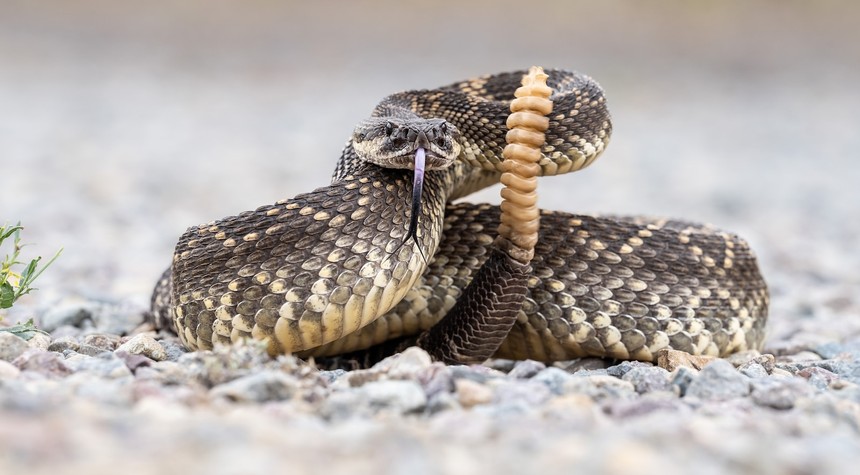
A 78-year-old woman has died following multiple venomous snake bites in Northern California, marking an alarming trend as the state records its third snake bite fatality in 2024.
The woman was walking in a rural area of Redwood Valley on April 8 when she sustained three venomous snake bites, according to the Mendocino County Sheriff’s Office. Despite receiving medical treatment at a local hospital, she succumbed to her injuries two days later on April 10.
The incident represents a statistically significant departure from national norms. According to the Centers for Disease Control and Prevention, approximately 7,000 to 8,000 Americans suffer venomous snake bites annually, yet only five deaths occur on average across the entire nation. California has already reached three-fifths of that national average in just the first four months of the year.
The previous two fatalities occurred in Southern California under similarly tragic circumstances. In February, a 25-year-old man died after being bitten by a rattlesnake while mountain biking in Irvine. The following month, a 46-year-old woman lost her life after sustaining a rattlesnake bite while hiking at Wildwood Regional Park.
The timing of these incidents coincides with the onset of peak rattlesnake season in California. The California Department of Fish and Wildlife has noted that venomous snake encounters occur most frequently between April and October, when warmer temperatures increase both snake activity and human outdoor recreation.
The concentration of three fatal snake bites in California within such a compressed timeframe raises questions about whether environmental factors, snake population dynamics, or increased human activity in rural and wilderness areas may be contributing to more dangerous encounters. While officials have not indicated any unusual increase in the rattlesnake population, the fatalities serve as a sobering reminder of the risks present in California’s diverse terrain.
Medical experts emphasize that while snake bites can be treated effectively when victims receive prompt medical attention, factors such as the victim’s age, overall health, the number of bites sustained, and the time elapsed before treatment can significantly impact outcomes. The elderly and those with compromised immune systems face heightened risks from venomous encounters.
As California enters the heart of rattlesnake season, residents and visitors venturing into rural areas, hiking trails, and wilderness regions should exercise increased caution. Rattlesnakes typically avoid human contact when possible, but encounters can occur when humans inadvertently encroach upon their habitat or startle them along trails and in tall grass.
The deaths serve as a reminder that California’s natural beauty carries inherent risks, particularly during seasons when wildlife activity peaks. Those who enjoy the state’s outdoor recreational opportunities would do well to remain vigilant and educated about the potential dangers that accompany ventures into less-traveled areas.
Related: United States Steel Reopens Indiana Tin Mill, Bringing 225 Jobs to Gary Works
