
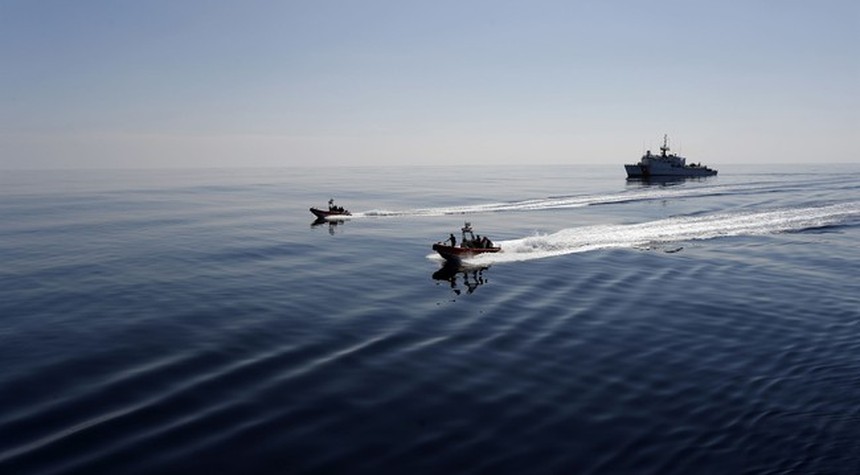
The United States Coast Guard announced Thursday the successful interdiction and offloading of approximately 3,825 pounds of cocaine, with an estimated street value exceeding $28.7 million. The seizure represents a significant victory in the ongoing effort to disrupt narcotics trafficking routes between Central and South America and the United States mainland.
The operation falls under the Trump administration’s Pacific Viper initiative, which has intensified Coast Guard presence in the eastern Pacific Ocean. This strategic deployment targets what had been a critical maritime corridor for drug trafficking organizations operating throughout the region.
Commander Joshua DiPietro of the cutter Tampa described his crew’s performance during their 74-day patrol as “nothing short of phenomenal.” The operation required coordination across multiple agencies and international partners, demonstrating the complex nature of modern drug interdiction efforts.
“From qualifying several pilots, tie downs, Landing Safety Officers, and Helicopter Control Officers for aviation operations at the start of the patrol to seizing nearly $45 million in illicit narcotics, their teamwork during complex operations was truly impressive,” DiPietro stated in a Department of Homeland Security press release. “They met every challenge head-on, working seamlessly with our partner agencies and international allies to disrupt transnational criminal organizations.”
The quantity of cocaine intercepted in this single operation carries sobering implications. Drug enforcement officials estimate that had this shipment reached American streets, it possessed the lethal potential to kill more than 1.4 million people. This calculation underscores the deadly nature of the narcotics trade and the critical importance of interdiction efforts before these substances reach American communities.
Operation Pacific Viper represents an escalation in the administration’s approach to drug interdiction. By increasing both aircraft and vessel deployments in the eastern Pacific, the Coast Guard has established a more robust presence in waters previously exploited by transnational criminal organizations. These organizations have historically utilized maritime routes to transport massive quantities of illegal narcotics, relying on the vast expanse of ocean to evade detection.
The Coast Guard’s success in this operation demonstrates the effectiveness of sustained pressure on these trafficking networks. The 74-day patrol by the cutter Tampa alone resulted in seizures totaling approximately $45 million in illegal narcotics, suggesting that consistent presence and vigilance yield measurable results in disrupting the drug supply chain.
This interdiction effort occurs within the broader context of border security and drug enforcement policy. The Coast Guard operates as a component of the Department of Homeland Security, working in concert with other federal agencies to secure American borders and prevent illegal substances from entering the country.
The coordination required for such operations extends beyond domestic agencies. International partnerships play a crucial role in tracking and intercepting drug shipments that originate in South and Central American nations. These collaborative efforts reflect the transnational nature of organized crime and the necessity of multinational cooperation to combat it effectively.
As the administration continues to prioritize border security and drug interdiction, operations such as this seizure provide tangible evidence of progress in a long-standing challenge facing American law enforcement and public health officials.
