
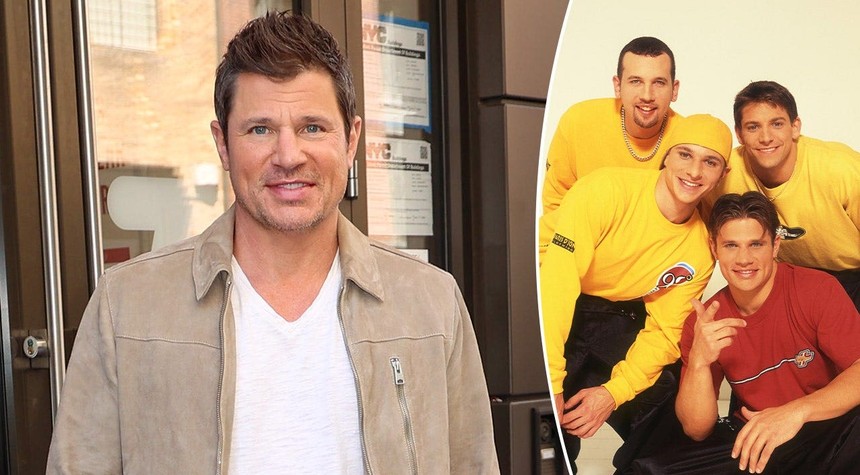
Nick Lachey has disclosed a disturbing detail from his time as lead singer of the popular 1990s group 98 Degrees, revealing what he described as a “super shady” practice that record label personnel encouraged during the height of the boy band phenomenon.
In Investigation Discovery’s forthcoming documentary “Boy Band Confidential,” Lachey recounted an incident from the group’s first tour that raises questions about the entertainment industry’s approach to protecting young performers during that era.
“This is going to sound super shady, but when we first went out, I remember in our first tour, someone at the label gave us a book,” Lachey stated in the documentary. “It was the age of consent in every state in the country.”
The revelation suggests that record label representatives provided the band members with materials detailing varying state laws regarding the legal age of consent, ostensibly to navigate potential legal complications that could arise from interactions with fans.
Lachey indicated that the band maintained possession of this reference material throughout their tour. “We kept that book on the tour bus,” he confirmed, before adding a note of caution about the environment in which young performers operated. “Unfortunately, there were people out there looking to tear you down.”
The statement appears to acknowledge the precarious position in which young male performers found themselves during the boy band era, when massive popularity among teenage fans created both professional opportunities and potential legal pitfalls.
98 Degrees achieved significant commercial success in the late 1990s and early 2000s, with Lachey performing alongside his brother Drew Lachey, Jeff Timmons, and Justin Jeffre. The group competed in a crowded marketplace that included similar acts appealing primarily to young female audiences.
The documentary’s exploration of behind-the-scenes practices during the boy band era comes at a time of increased scrutiny regarding how the entertainment industry has historically managed and protected young performers. Similar revelations from that period have emerged in recent years, painting a complex picture of an industry that prioritized commercial success while young artists navigated fame with limited guidance and protection.
Lachey’s willingness to discuss this particular aspect of his early career adds to a growing body of testimony from performers who experienced the boy band phenomenon firsthand. The practice he described raises questions about the role record labels played in either protecting or potentially exposing young performers to complicated situations.
The documentary “Boy Band Confidential” promises to provide additional insights into the business practices and cultural dynamics that defined an era in popular music. Whether other performers from that period will come forward with similar accounts remains to be seen, but Lachey’s candid recollection suggests there may be more to learn about how the industry operated during those years.
The revelation serves as a reminder of the unique pressures and circumstances facing young performers who achieve sudden fame, particularly in an era before social media and modern entertainment industry safeguards became standard practice.
Related: Dana Bash Argues Traditional Balance in News Coverage No Longer Sufficient
