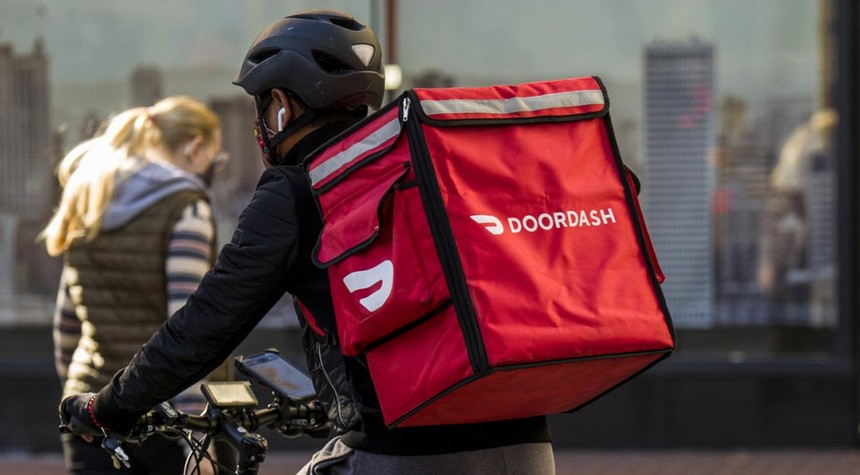
DoorDash has expanded its business model beyond food delivery, launching a new application that compensates its workforce of 8 million American gig workers for recording themselves performing everyday household tasks. The data collected will be used to train artificial intelligence and robotics systems to better comprehend physical world interactions.
The standalone application, named Tasks, became available this week and offers payment for activities ranging from simple chores to more complex undertakings. Workers can earn money by recording themselves folding laundry, washing dishes by hand, or making beds. More demanding assignments, such as plant pruning and repotting, command higher compensation rates.
The program also includes opportunities for multilingual workers to contribute. One listing requests Spanish speakers to record natural, unscripted conversations with friends or family members about everyday topics.
Andy Fang, DoorDash cofounder and chief technology officer, expressed enthusiasm about the initiative’s potential impact on developing what he termed “the frontier of physical intelligence.”
A company spokesperson confirmed that the Tasks application represents a limited pilot program compared to the broader range of assignments available through the standard Dasher application, where couriers can complete various tasks between deliveries. The company indicated plans to expand the types of activities offered as the program develops.
This initiative places DoorDash among a growing number of companies seeking to harness human workers for artificial intelligence training purposes. The gig economy has increasingly become a source for AI development data, with multiple platforms now offering compensation for human-generated content and physical demonstrations.
Uber introduced a similar program last year, enabling its American gig workers to perform digital tasks for additional income, including uploading photographs and recordings used in AI training. The data annotation industry has experienced substantial growth in recent years, with numerous platforms recruiting contractors to assist in training AI models through online work.
The focus has now shifted toward capturing physical data demonstrating how people navigate and interact with their environment. This information proves particularly valuable for teaching humanoid robots to perform practical tasks, such as loading dishwashers or other household activities.
Other companies have adopted comparable strategies. Instawork, a staffing application connecting businesses with hourly workers for same-day assignments, has recruited workers in Los Angeles to wear headbands equipped with phone mounts while recording themselves cleaning their homes.
Sunday Robotics, a California-based company, has developed another approach by shipping “skill capture gloves” to participants nationwide. These individuals collect motion data by performing household tasks while wearing the robotic gloves, which record their movements. This data then trains the AI-powered home robot the company is developing.
Beyond the new Tasks application, DoorDash plans to introduce additional assignments within its regular Dasher application. These may include verifying restaurant holiday hours and photographing challenging delivery locations.
The expansion represents a significant evolution in the gig economy, where workers now serve dual purposes as both service providers and unwitting architects of the automated systems that may eventually transform or replace their current roles.
Related: Duggar Family Member Breaks Silence After Brother Charged with Molesting Minor