
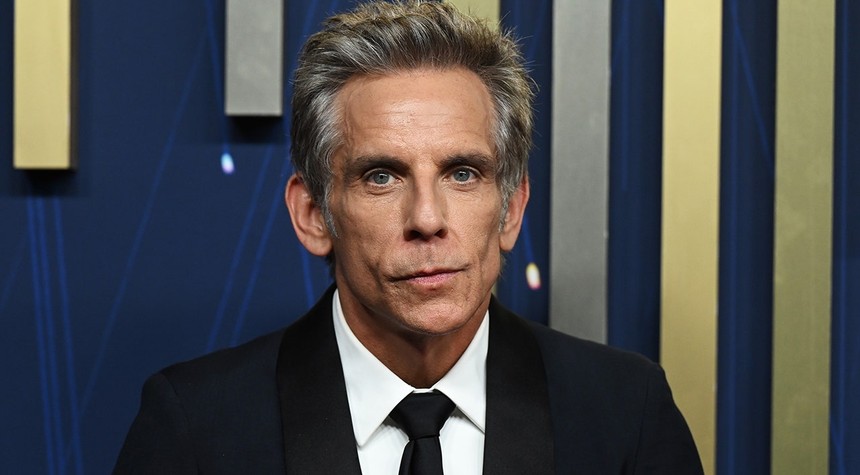
Actor and director Ben Stiller has publicly objected to the White House’s use of footage from his 2008 comedy film “Tropic Thunder” in a video montage released Thursday evening that combined Hollywood action sequences with real military footage from recent operations against Iran.
The White House video, a stylized production promoting American military strength, drew from numerous popular entertainment sources. The montage included scenes from major motion pictures such as “Gladiator,” “Braveheart,” “Top Gun: Maverick,” “Superman,” and “Transformers,” along with audio elements from the “Mortal Kombat” video game franchise. Among these clips was a brief scene featuring Tom Cruise’s character from “Tropic Thunder,” the war satire that Stiller both directed and starred in.
Stiller voiced his objection through social media on Friday, taking issue with the administration’s appropriation of material from his film for what he characterized as promotional purposes. The actor, known for his liberal political positions, made clear his disapproval of the White House’s use of the clip without permission or consultation.
The controversy arose just days after Stiller had used the same platform to propose replacing the statue of President Theodore Roosevelt that formerly stood outside the American Museum of Natural History in New York with a memorial to the late actor Robin Williams. That statue, which depicted Roosevelt on horseback flanked by figures representing Native American and African subjects, was removed in 2022 following years of debate about its colonial imagery.
The White House video represents an unconventional approach to governmental communication, blending entertainment media with actual military operations footage in a manner more commonly associated with campaign advertising or social media content than official government releases. The production intersperses dramatic scenes from fictional narratives with real imagery from military strikes conducted against Iranian targets.
Questions of intellectual property rights and appropriate use of copyrighted material have emerged alongside the political objections. Film studios and content creators typically maintain strict control over how their productions are used, particularly in political contexts. The extent to which the White House obtained proper licensing or relied on fair use provisions remains unclear.
This incident highlights the evolving nature of political communication in the digital age, where traditional boundaries between entertainment, news media, and official government messaging have become increasingly blurred. The administration’s choice to present military operations through a lens typically reserved for Hollywood action sequences marks a departure from conventional governmental communication strategies.
Stiller’s objection also underscores the ongoing tension between Hollywood’s predominantly liberal creative community and conservative political leadership. The actor joins a long list of entertainment figures who have found themselves at odds with the current administration’s use of popular culture in its messaging efforts.
The White House has not issued a response to Stiller’s complaint at this time.
Related: Federal Judge Orders Trump Administration to Refund $130 Billion in Invalidated Tariffs
