
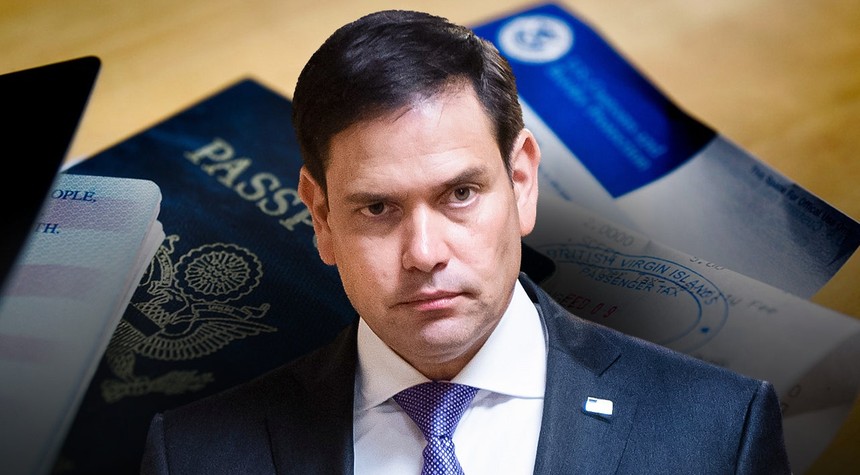
The Trump administration is preparing to significantly expand its enforcement of passport revocations against parents who have failed to meet their child support obligations, a move that could affect thousands of Americans who owe substantial arrears.
The State Department plans to increase enforcement of a federal law enacted three decades ago that permits the government to revoke United States passports for individuals carrying significant unpaid child support debts. Three government officials familiar with the matter have confirmed the administration’s intentions, though they spoke on condition of anonymity as the policy details are finalized.
The enforcement action will be implemented in phases, given the potentially large number of passport holders who have fallen behind on their child support payments. The phased approach reflects both the administrative complexity of the undertaking and the substantial number of cases requiring review.
Initial enforcement efforts will focus on the most egregious cases. The first group targeted will consist of passport holders who owe more than one hundred thousand dollars in past-due child support. According to one official, fewer than five hundred individuals currently meet this threshold. These individuals will have an opportunity to retain their travel documents if they enter into a payment plan with the Department of Health and Human Services after receiving notification of a pending revocation.
Officials have indicated that lowering the past-due threshold in subsequent phases would dramatically increase the number of parents subject to enforcement action, potentially reaching into the thousands. However, the timeline for any further changes remains unclear, as does the precise number of individuals who might ultimately face passport revocation.
The law being enforced has existed for thirty years but has seen inconsistent application over different administrations. Current passport revocations for unpaid child support are permitted when arrears exceed twenty-five hundred dollars, though enforcement at this lower threshold has been sporadic.
The administration’s decision to prioritize this enforcement represents a renewed focus on ensuring parents meet their financial obligations to their children. Child support enforcement has long been a challenge for state and federal authorities, with billions of dollars in unpaid support accumulating across the nation.
Critics of expanded enforcement may argue that passport revocation could impair individuals’ ability to earn income through international travel, potentially making it more difficult to pay down their obligations. Supporters, however, contend that restricting international travel privileges serves as an appropriate consequence for those who have neglected their responsibilities to their children, and that the availability of payment plans provides a reasonable path to compliance.
The State Department has not yet announced a specific timeline for implementing the expanded enforcement measures. The phased approach suggests that affected individuals will receive advance notice before any revocations take effect, allowing them time to address their obligations or arrange payment plans.
This enforcement action underscores the administration’s broader emphasis on accountability and the rule of law, applying existing federal statutes that previous administrations may have implemented less vigorously.
Related: Figure Skater Glenn Addresses Controversy Over Pre-Olympic Comments
