
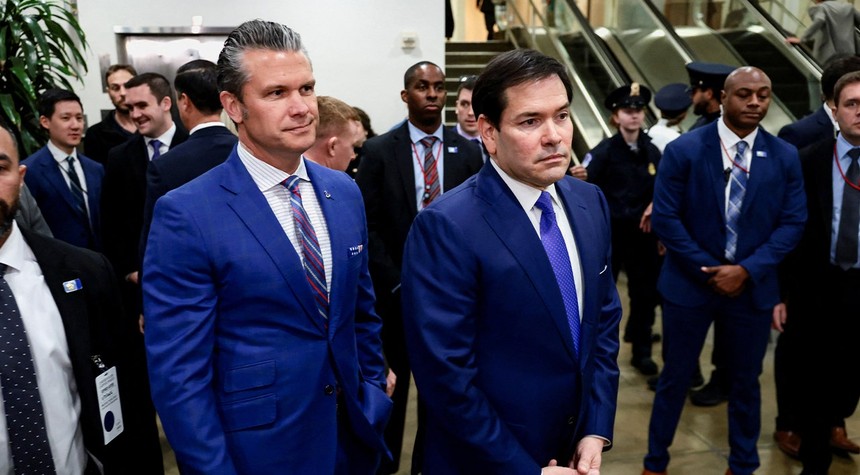
Secretary of State Marco Rubio will return to Capitol Hill next week to testify before the Senate Foreign Relations Committee regarding the Trump administration’s ongoing operations in Venezuela and the broader Caribbean region.
The hearing, scheduled for January 28 at 10 a.m., represents the latest in a series of appearances by Rubio before his former colleagues in the Senate. Lawmakers from both parties have pressed for greater transparency as the administration pursues an aggressive policy toward the Maduro regime in Caracas.
The testimony comes on the heels of significant military action in the region. On January 20, the U.S. military, with support from the Department of Homeland Security, seized another Venezuelan oil tanker in the Caribbean, according to U.S. Southern Command. This operation marks the latest escalation in the administration’s three-phase plan for Venezuela, which Rubio has outlined in previous briefings.
Rubio played a decisive role last week in defeating a Democratic attempt to curtail President Donald Trump’s war-making authorities in the region. The Secretary of State personally lobbied two Republican senators who had initially opposed the administration’s position. Senators Todd Young of Indiana and Josh Hawley of Missouri ultimately changed their votes, effectively killing the measure that would have required congressional approval for certain military actions.
The concerns raised by Young and Hawley centered on the possibility of deploying American ground forces to Venezuela or neighboring countries. Both senators had argued that Congress should maintain its constitutional authority over decisions to commit U.S. troops to combat operations. Rubio’s assurances apparently satisfied their reservations, though the specifics of those conversations remain unclear.
The upcoming hearing will provide senators with an opportunity to question Rubio directly about the administration’s intentions and the scope of planned operations. The seizure of Venezuelan oil assets has raised questions about the legal framework governing such actions and whether additional military steps are contemplated.
Republicans have expressed interest in Venezuela’s substantial oil reserves, viewing them as a potential strategic asset that could be developed once a new government takes power in Caracas. The country possesses some of the world’s largest proven oil reserves, though production has collapsed under years of mismanagement and international sanctions.
Democrats, meanwhile, have voiced concerns about the financial risks to American taxpayers and the potential for military entanglement in a complex regional conflict. The debate reflects broader tensions over executive authority in foreign policy and the proper role of congressional oversight.
Rubio’s appearance before the Foreign Relations Committee will be closely watched as an indicator of how far the administration intends to go in confronting the Maduro government. The former senator’s familiarity with the committee and its members may facilitate a more substantive exchange than is typical in such hearings.
The administration has made Venezuela policy a centerpiece of its Latin America strategy, arguing that the Maduro regime poses both a humanitarian crisis and a security threat to the hemisphere. Whether that assessment will translate into broader military action remains one of the most pressing questions facing lawmakers as they consider their oversight responsibilities.
Related: Trudeau and Pop Star Katy Perry Make Public Appearance at World Economic Forum
