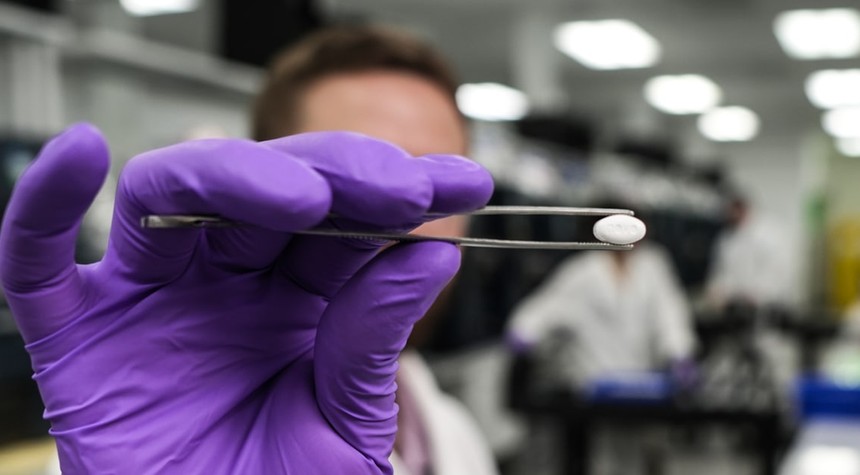
The Food and Drug Administration has approved the first oral version of a weight loss medication that has transformed the American pharmaceutical landscape in recent years.
The agency granted approval Monday for a pill version of Wegovy, manufactured by Novo Nordisk, marking a significant development in the treatment of obesity. Until now, the class of drugs known as GLP-1 medications has been available only through weekly injections, a delivery method that has deterred some patients despite the treatments’ remarkable effectiveness.
The new oral formulation demonstrated substantial results in clinical trials. Patients taking the highest dose lost an average of 16.6 percent of their body weight over 64 weeks, according to results published in the New England Journal of Medicine. This performance matches closely with the injectable version, which showed approximately 15 percent weight loss over 68 weeks in its clinical trials. Patients receiving a placebo lost just 2.2 percent of their body weight.
Dr. Christopher McGowan, a gastroenterologist who operates a weight loss clinic in Cary, North Carolina, characterized the approval as a meaningful advancement. He noted that while the pill will not replace injectable medications, it expands the options available to physicians and patients. The psychological barrier presented by injections has proven significant for many Americans, and a daily pill represents a more familiar and acceptable treatment method for a substantial portion of the patient population.
The medication must be taken under strict conditions. Patients must take the pill first thing in the morning on an empty stomach with no more than four ounces of water. This requirement presents what medical professionals describe as the primary challenge for the oral version. Clinical trial participants who did not adhere to this rigid schedule experienced reduced effectiveness, losing an average of 13.6 percent of their body weight rather than the 16.6 percent seen with proper adherence.
Dr. Shauna Levy, medical director of the Tulane Weight Loss Center, emphasized that patient compliance with the dosing requirements will determine the medication’s success in widespread use.
Novo Nordisk has not released the list price for the daily pill, though industry analysts expect it to cost less than the weekly injections. The company reached an agreement with the Trump administration in November to sell the lowest dose for $149 monthly to patients paying out of pocket, in exchange for tariff relief. Eli Lilly, which manufactures a competing medication, negotiated a similar arrangement.
Insurance coverage remains uncertain. Many private insurers have restricted coverage of the injectable versions due to their substantial cost. Medicare, prohibited by law from covering weight loss medications, may nonetheless provide coverage for the pill because the FDA also approved it for reducing heart disease risk, a condition Medicare does cover.
A second oral weight loss medication from Eli Lilly awaits FDA approval in the coming months, suggesting the market for these treatments will continue expanding rapidly. The medications, which include semaglutide and tirzepatide, were initially developed and approved for diabetes treatment before researchers discovered their significant weight loss effects.
The real-world performance of the oral medication remains to be seen. Whether patients will maintain the discipline required for daily dosing and strict timing requirements will ultimately determine whether this represents a true breakthrough or merely an alternative for a subset of patients who cannot tolerate injections.
Related: Mexican Navy Medical Plane Crashes Near Galveston, Killing at Least Five