
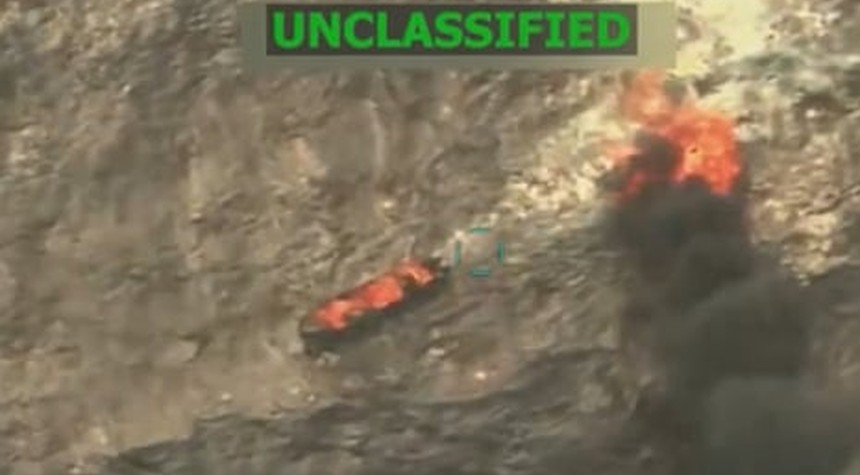
Senior lawmakers from both parties emerged from classified briefings Thursday with sharply different assessments of a military operation in the Caribbean that has raised questions about the rules of engagement in the administration’s expanded drug interdiction campaign.
The September 2nd airstrike, which killed eleven people aboard a vessel suspected of transporting narcotics near Trinidad, has become a flashpoint in Washington after reports suggested Defense Secretary Pete Hegseth may have ordered the killing of survivors from an initial bombing run.
Representative Jim Himes, the ranking Democrat on the House Armed Services Committee, described the classified footage shown to lawmakers as among the most disturbing material he has encountered during his tenure in Congress. The operation involved two separate strikes against the same vessel, with the second attack targeting individuals who had survived the first bombardment.
However, Himes confirmed that Admiral Frank Bradley, who commanded the operation, explicitly stated he received no directive to kill all persons aboard or to grant no quarter to survivors. These assurances came during closed-door sessions before both the House and Senate armed services and intelligence committees, where Bradley and General Dan Caine, chairman of the joint chiefs of staff, presented video evidence and operational details.
Senator Tom Cotton, the Republican chairman of the Senate Intelligence Committee, offered a vigorous defense of what he termed “righteous strikes” against drug traffickers. Cotton emphasized that Bradley received detailed written orders consistent with standard military procedures, and that no verbal command to eliminate all survivors was issued by Hegseth or any other civilian authority.
The controversy erupted following reports that Hegseth had verbally directed such action prior to the attack. The Defense Department has not released footage of the second strike, though the President shared video of the initial bombing on social media shortly after the operation concluded.
This incident marks the opening salvo in an intensified air campaign against vessels the administration claims are ferrying illegal narcotics from Venezuela to American shores. The President has characterized these operations as essential to stemming the flow of dangerous drugs into the United States.
Legal scholars and military experts have raised substantial questions about the campaign’s foundation in international law. The strikes occur in international waters against civilian vessels that have not been positively identified through traditional law enforcement procedures. The legal authority for such military action, particularly involving lethal force against non-state actors outside declared combat zones, remains unclear.
The administration maintains these operations fall within the executive branch’s authority to protect national security and combat transnational criminal organizations. Critics counter that such strikes may violate international maritime law and constitutional requirements for congressional authorization of military force.
The bipartisan concern in Congress reflects the gravity of allegations that could constitute violations of the laws of armed conflict. Deliberately targeting survivors of an initial attack, if proven, would represent a serious breach of international humanitarian law.
As this matter continues to unfold, lawmakers face difficult questions about oversight of military operations conducted under the broad umbrella of counter-narcotics efforts. The balance between aggressive interdiction and adherence to established rules of engagement will likely remain a contentious issue as the administration pursues its stated goal of disrupting drug trafficking networks.
Related: Trump Brings In New Architect for White House Ballroom Project After Design Disputes
