
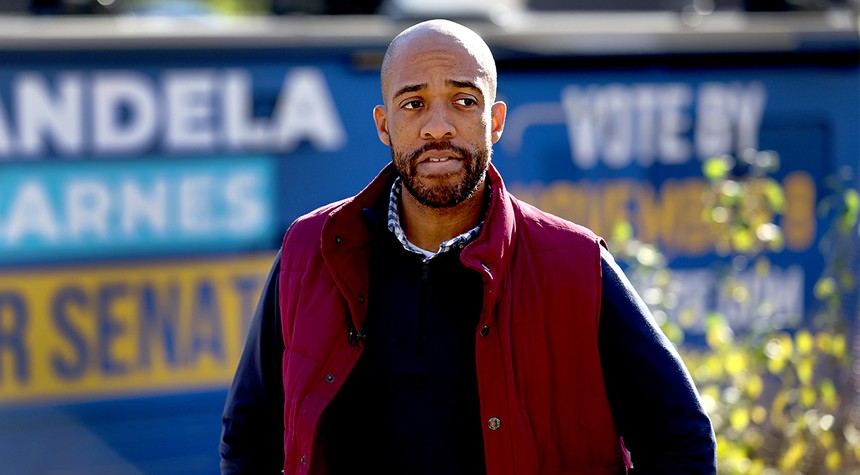
Mandela Barnes, Wisconsin’s former lieutenant governor, announced his candidacy for governor on Tuesday, positioning himself as the Democratic frontrunner to replace the retiring Governor Tony Evers. The decision marks Barnes’ return to statewide politics following his narrow defeat to Senator Ron Johnson in the 2022 Senate race, a contest decided by a single percentage point.
Barnes enters the gubernatorial race carrying substantial political baggage from that Senate campaign, during which Republicans successfully highlighted what they characterized as radical policy positions accumulated throughout his political career. The extensive scrutiny he faced in 2022 exposed vulnerabilities that are certain to resurface as he pursues the state’s highest office.
Republican Representative Tom Tiffany, currently the most prominent Republican candidate in the gubernatorial contest, wasted no time responding to Barnes’ announcement. Tiffany characterized Barnes as a “far-left extremist” and suggested his frontrunner status demonstrates how radical the Democratic Party has become. The congressman predicted that Wisconsin voters would reject Barnes again, just as they did in 2022.
The concerns Republicans have raised about Barnes are not without foundation. During the 2022 Senate campaign, extensive reporting revealed Barnes’ longstanding association with Citizen Action of Wisconsin, a liberal nonprofit organization that has advocated for defunding police departments, eliminating law enforcement gang databases, treating criminals up to age 24 as juveniles, and establishing Wisconsin as a sanctuary state.
Barnes served on the organization’s board of directors from 2014 through 2018, holding the position of secretary during his final two years. The group endorsed his Senate campaign in June 2022, and Barnes expressed pride in their support, stating he was excited about the prospect of working together to defeat Senator Johnson. The podcast host from Citizen Action’s “Battleground Wisconsin” program acknowledged Barnes’ deep ties to the organization, noting that his agenda aligned with theirs.
Beyond his organizational affiliations, Barnes’ legislative record includes efforts to ban hollow-point bullets and assault rifles, positions that proved problematic in a state where hunting and Second Amendment rights remain deeply valued traditions.
The 2022 Senate race became one of the most expensive and closely watched contests in the nation, with Republicans investing millions in advertisements that defined Barnes through his own words and associations. Despite the Democratic Party’s substantial financial backing and national attention, Barnes ultimately fell short against Johnson, an incumbent who had faced questions about his own vulnerabilities.
As Barnes launches his gubernatorial campaign, he faces a crowded Democratic primary field. However, his statewide name recognition and established political network position him as the likely nominee. The question remains whether Wisconsin voters, who narrowly rejected him for the Senate, will embrace him for the governorship, or whether the same issues that plagued his previous campaign will prove insurmountable once again.
The race promises to be a significant test of whether Wisconsin’s political center has shifted leftward or whether the state remains the closely divided battleground it has proven to be in recent election cycles. For Republicans, preventing Barnes from reaching the governor’s mansion represents an opportunity to demonstrate that his 2022 defeat was not an anomaly but rather a clear message from Wisconsin voters about the limits of progressive politics in their state.
Related: Unemployment Claims Drop to Lowest Level in Three Years
