
The Trump administration is examining plans to expand its current travel ban from 19 to approximately 30 countries, according to multiple United States officials who spoke this week on condition of anonymity. The deliberations follow last week’s shooting of two National Guard soldiers in Washington, D.C., an incident that has prompted renewed scrutiny of the nation’s immigration vetting procedures.
The officials emphasized that these plans remain preliminary and the final number of countries subject to restrictions may yet change as the review process continues.
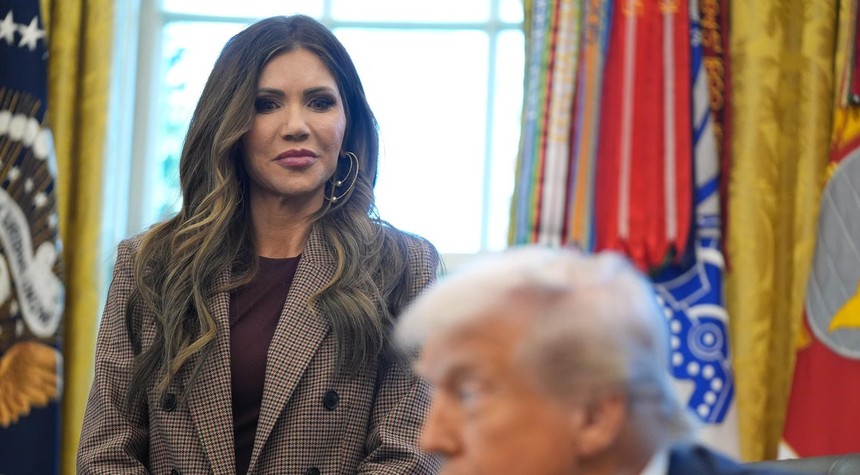
Following a Monday meeting with President Trump, Homeland Security Secretary Kristi Noem indicated her support for comprehensive travel restrictions. In a statement posted to social media, Noem declared she had urged the president to implement “a full travel ban on every damn country that’s been flooding our nation with killers, leeches, and entitlement junkies.”
“Our forefathers built this nation on blood, sweat, and the unyielding love of freedom—not for foreign invaders to slaughter our heroes, suck dry our hard-earned tax dollars, or snatch the benefits owed to AMERICANS,” Noem wrote.
The Washington attack, allegedly perpetrated by an Afghan national who entered the United States in September 2021 and received asylum in April 2025, has become a focal point for the administration’s immigration enforcement efforts. In response, the administration has suspended all visa and immigration processing for Afghan nationals, halted asylum case decisions across all nationalities, and ordered a comprehensive review of green card applications from individuals originating in the 19 countries currently subject to travel restrictions.
The contemplated expansion would significantly broaden a proclamation issued by President Trump earlier this summer. That directive imposed varying degrees of restriction on legal immigration and travel from countries spanning Asia and Africa.
Under the current proclamation, near-total entry restrictions apply to nationals from Afghanistan, Myanmar, Chad, the Republic of the Congo, Equatorial Guinea, Eritrea, Haiti, Iran, Libya, Somalia, Sudan, and Yemen. Partial restrictions affect travelers and immigrants from Burundi, Cuba, Laos, Sierra Leone, Togo, Turkmenistan, and Venezuela.
When announcing the original proclamation, President Trump cited several justifications for the restrictions. These included concerns about terrorist activity in certain listed nations, difficulties in conducting proper vetting procedures for some nationals, and the refusal by particular governments to cooperate with deportation flights returning their citizens from the United States.
The Department of Homeland Security issued a statement Tuesday confirming that it would announce additions to the travel ban list “soon,” though it provided no specific timeline or indication of which countries might be added.
The development represents a significant escalation of immigration enforcement measures and raises questions about the potential diplomatic and humanitarian implications of such broad restrictions. As the administration continues its review, officials across multiple agencies are reportedly working to finalize the list of countries that would face new limitations on their nationals’ ability to enter the United States.
The situation continues to develop as the administration balances national security concerns with the practical and diplomatic challenges inherent in implementing such sweeping travel restrictions.
Related: Tennessee Special Election Tests Republican Strength in Trump District
