
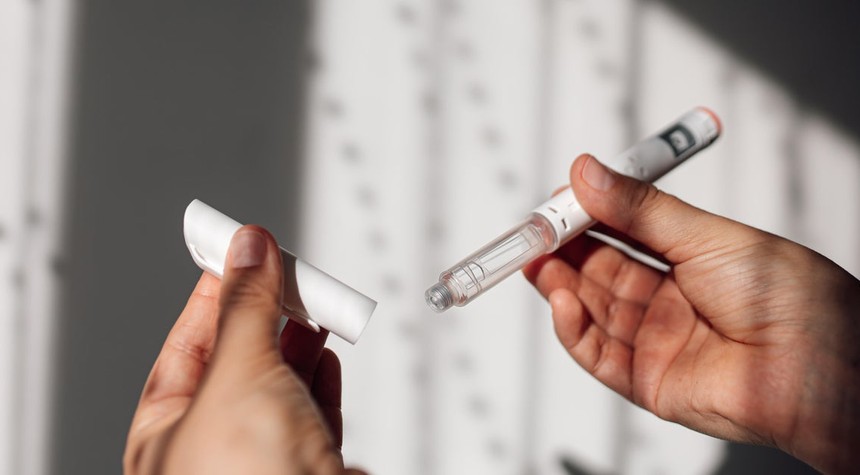
The World Health Organization has issued new clinical guidelines recommending GLP-1 medications for the long-term treatment of obesity in adults, though the recommendations come with notable qualifications that warrant careful examination.
The United Nations health agency released two primary recommendations Monday. The first permits adults, excluding pregnant women, to use GLP-1 therapies for extended obesity management. The second calls for intensive behavioral interventions, including dietary modifications and regular exercise, to accompany pharmaceutical treatment.
Dr. Tedros Adhanom Ghebreyesus, the WHO’s director-general, characterized obesity as a chronic disease requiring comprehensive, lifelong care. He acknowledged that while medication alone cannot resolve what he termed a global health crisis, GLP-1 therapies could assist millions in managing obesity and reducing associated health complications.
However, both recommendations carry a “conditional” designation, a classification that merits attention. The WHO labeled the first recommendation conditional due to insufficient data regarding the medications’ long-term safety and effectiveness. Additional concerns include cost considerations and accessibility issues that remain unresolved.
The second recommendation received its conditional status based on what the organization described as “low-certainty evidence” that intensive behavioral therapy improves outcomes when combined with GLP-1 treatment.
Despite these limitations, WHO officials have characterized the drugs as representing more than mere scientific progress. According to an article published Monday in the Journal of the American Medical Association, the medications signal a fundamental shift in how society conceptualizes obesity—moving from viewing it as a lifestyle condition to recognizing it as a complex, chronic disease that can be prevented and treated.
The organization has emphasized the importance of equitable global access to these medications, calling for urgent action regarding manufacturing capacity, affordability, and healthcare system preparedness. The WHO projects that even with accelerated production, GLP-1 therapies will reach fewer than ten percent of potential beneficiaries by 2030.
Americans know these medications by their commercial names: Ozempic and Mounjaro, approved for diabetes treatment, and Wegovy and Zepbound, approved specifically for weight management.
The WHO estimates that obesity affects more than one billion people worldwide and contributed to 3.7 million deaths last year. In September, the organization added GLP-1 therapies to its Essential Medicines List for managing type 2 diabetes in high-risk populations.
The new guidelines position these medications as one component of a comprehensive treatment approach. The WHO emphasizes that pharmaceutical intervention must work in concert with healthy dietary practices, regular physical activity, and ongoing support from healthcare professionals.
The conditional nature of these recommendations reflects the medical community’s ongoing effort to balance innovation with prudence. While GLP-1 drugs have demonstrated effectiveness in clinical settings, questions about long-term consequences, cost-effectiveness, and equitable distribution remain unresolved.
As these medications gain prominence in treating a condition affecting a significant portion of the global population, the healthcare community faces important decisions about implementation, access, and the proper role of pharmaceutical intervention in managing chronic disease.
Related: American AI Companies Increasingly Turn to Chinese Models as Costs Mount
