
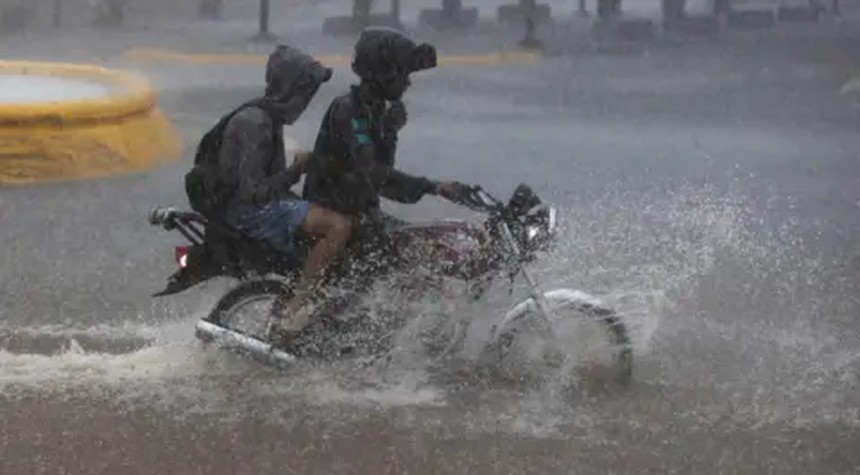
As the radical left continues pushing their climate change narrative, Mother Nature reminds us that powerful storms have always been a reality, with Hurricane Melissa now threatening to deliver a catastrophic blow to Jamaica and surrounding Caribbean nations.
The facts are clear and undeniable: Melissa has intensified into a rare category five hurricane, packing sustained winds of 120 mph, with the US National Hurricane Center forecasting further strengthening before an expected Tuesday landfall. This is the 13th named hurricane of the Atlantic season, demonstrating the region’s long history of cyclonic activity.
Let’s break down the numbers, because they matter. We’re looking at potential rainfall totals of up to 30 inches – that’s two and a half feet of water – along with storm surge reaching 13 feet above ground level. These aren’t climate alarmist projections; these are hard data points from meteorological experts.
Jamaican authorities, showing admirable leadership focused on practical solutions rather than political messaging, are urging citizens to take immediate action. Prime Minister Andrew Holness has emphasized preparation over panic, stating: “I know that there are many Jamaicans who are anxious, who are very concerned, and rightfully so. But the best way to address anxiety and any nervousness and concern is to be prepared.”
The hurricane has already claimed two lives in Haiti through landslides, highlighting the critical importance of infrastructure and emergency preparedness – issues that often take a back seat to progressive political agendas in international aid discussions.
While the left rushes to attribute every weather event to climate change, it’s worth noting that the Atlantic hurricane season has historically produced powerful storms. The fact is, category five hurricanes are rare but not unprecedented, and proper preparation saves lives regardless of political narrative.
The storm’s projected path takes it through a gauntlet of Caribbean nations, including Haiti, the Dominican Republic, and Cuba, before it’s expected to weaken to a category three system. Emergency preparations are underway across the region, with authorities implementing time-tested hurricane protocols: securing structures, stockpiling supplies, and establishing emergency shelters.
The harsh reality is that natural disasters don’t discriminate based on political ideology or economic status. They require practical, immediate solutions: strong infrastructure, effective emergency response systems, and communities prepared to face nature’s challenges head-on.
As Melissa approaches, the focus must remain on protecting lives and property through proven disaster response methods, rather than using this natural phenomenon as a political talking point for climate activism. The immediate threat demands immediate action, not theoretical debates about long-term weather patterns.
Related: Early Voting Begins as NYC Mayoral Race Tests Progressive Agenda
