
Early voting launched Saturday across New York and New Jersey, marking a critical phase in the contentious races for New York City mayor and New Jersey governor, with conservative candidates facing uphill battles against progressive opponents.
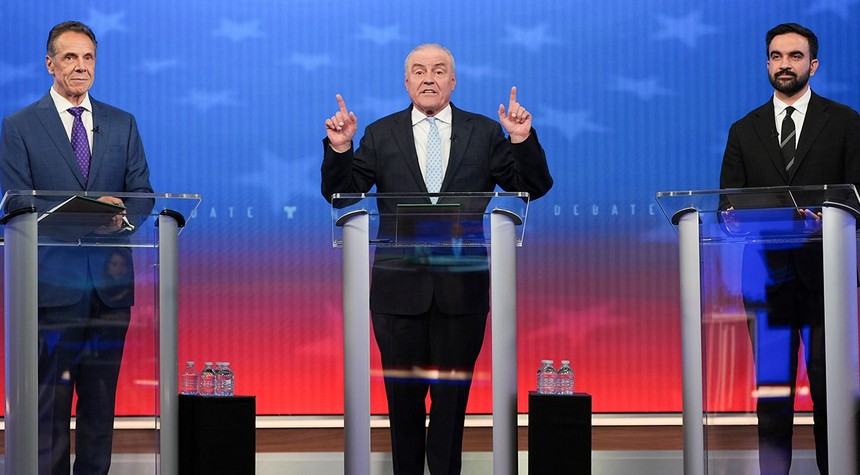
In New York City’s closely watched mayoral contest, Republican Curtis Sliwa is maintaining his position despite mounting pressure to withdraw and consolidate opposition against Democratic nominee Zohran Mamdani. The race has become a three-way battle, with former Governor Andrew Cuomo running as an independent, creating a complex political calculus that could split the moderate vote.
“Tomorrow, I vote on the first day of early voting,” Sliwa declared firmly on Friday, addressing speculation about his campaign. “That should put a nail into the coffin for anybody who thinks I’m dropping out.” This statement comes as establishment figures attempt to orchestrate his withdrawal to prevent a progressive victory under Mamdani.
The Democratic machine has predictably aligned behind Mamdani, with House Minority Leader Hakeem Jeffries, D-N.Y., offering his endorsement Friday. Meanwhile, current Mayor Eric Adams has thrown his support behind Cuomo, signaling a clear establishment preference for centrist governance over progressive policies.
The New York State Board of Elections has implemented a nine-day early voting period, running from October 25 through November 2, creating an extended window that historically favors Democratic turnout. This system, much like other urban early voting initiatives, raises legitimate questions about election integrity and verification procedures.
In New Jersey, the gubernatorial race between Democrat Mikie Sherrill and Republican Jack Ciattarelli presents another battlefield in the ongoing struggle between progressive policies and conservative governance. The Garden State’s voting system, expanded through recent Democratic legislation, now includes extensive early voting periods that fundamentally alter traditional election dynamics.
The New Jersey Division of Elections has mandated early voting locations across all counties, implementing a system that mirrors progressive voting initiatives seen in other blue states. This expansion of voting access, while marketed as “voter-friendly,” represents a significant departure from traditional election day voting that has served American democracy for generations.
Both races exemplify the broader national conflict between conservative principles of limited government and traditional values versus progressive policies that continue to dominate urban political landscapes. The outcomes will likely serve as indicators for the 2026 midterm elections and the direction of urban governance in America’s major metropolitan areas.
As early voting proceeds, these races will test whether conservative messages can penetrate traditionally Democratic strongholds and whether independent candidates like Cuomo can successfully navigate between progressive and conservative poles in contemporary urban politics.
Related: Trump Ends Trade Talks After Ontario’s Reagan Ad Backfires
