
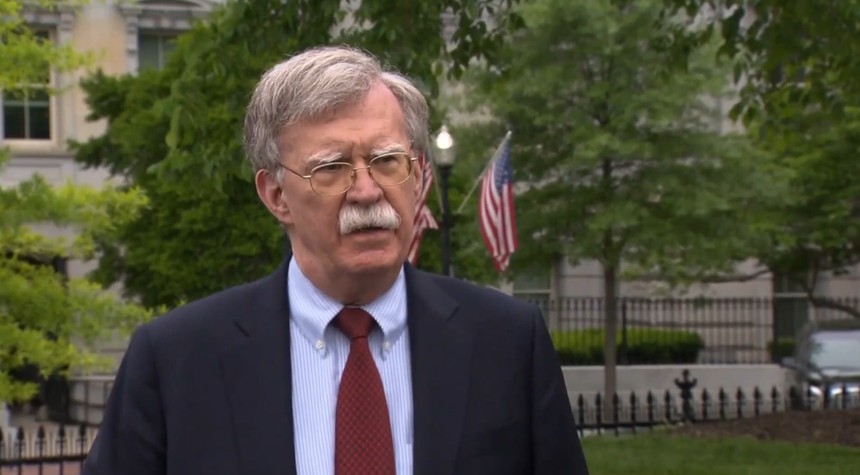
In a significant development that strikes at the heart of national security protocols, former National Security Advisor John Bolton now faces 18 federal charges related to the alleged mishandling of classified information during and after his tenure in the Trump administration.
The Justice Department’s indictment, unsealed Thursday, details eight counts of transmission of national defense information and ten counts of retention of national defense information. These charges stem from Bolton’s activities between April 2019 and August 2025, during which he allegedly shared sensitive information with unauthorized individuals.
Bolton, who served as National Security Advisor from April 2018 through September 2019, held one of the nation’s highest security clearances, granting him access to Top Secret and Sensitive Compartmented Information (SCI). This access came with strict obligations, including signed agreements never to disclose classified information without proper authorization.
The gravity of Bolton’s position was underscored by the installation of a Sensitive Compartmented Information Facility (SCIF) in his Maryland residence in September 2018, enabling round-the-clock access to classified materials. However, when this facility was decertified in October 2019 following his departure from office, Bolton was required to surrender all classified documents.
According to the indictment, Bolton maintained detailed records of his daily activities as National Security Advisor, sharing over a thousand pages of information—some classified at the highest levels—with two unnamed individuals related to him. These communications allegedly occurred through commercial messaging applications and personal email accounts, including AOL and Google.
The situation was further complicated by a reported breach of Bolton’s personal email account by an entity believed to be connected to Iran, potentially compromising classified information. While Bolton’s representatives acknowledged the hack to authorities, they allegedly failed to disclose the presence of classified information in the compromised account.
The indictment suggests that Bolton’s actions extended beyond written communications, indicating possible verbal discussions of classified information with at least one of his confidants. These activities allegedly continued during the development of his memoir, “The Room Where It Happened: A White House Memoir.”
This case represents one of the most significant prosecutions involving the alleged mishandling of classified information by a former high-ranking government official. If convicted, Bolton could face substantial penalties for each count, though specific sentencing guidelines have not been detailed in the initial proceedings.
The prosecution emphasizes the paramount importance of safeguarding national security information and the serious consequences of breaching established protocols, regardless of one’s former position in government service.
Related: Venezuela Responds to US Covert Operations Authorization
