
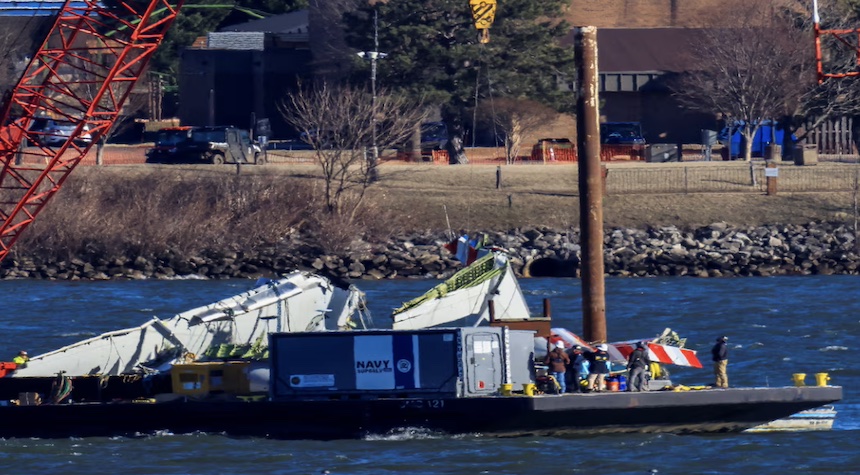
The first federal lawsuit has been filed in connection with the January midair collision between American Airlines Flight 5342 and a U.S. Army Black Hawk helicopter near Washington Reagan National Airport. This tragic incident claimed the lives of all 67 individuals aboard both aircraft.
The legal action, initiated by family members of one of the deceased passengers, targets multiple entities: American Airlines, its regional carrier PSA Airlines, the Federal Aviation Administration, and the U.S. Army. The plaintiffs allege that acts and omissions by these parties contributed to what they term a “predictable” and “preventable” disaster.
The lawsuit contends the crash could have been averted had the Army and FAA fulfilled their responsibilities. Furthermore, it claims the FAA fostered conditions in the Reagan National airspace that were conducive to such an incident.
The legal representatives argue that American Airlines continued to expand its operations at Reagan National despite awareness of previous near-miss incidents. They assert that this decision exposed passengers to unnecessary risk.
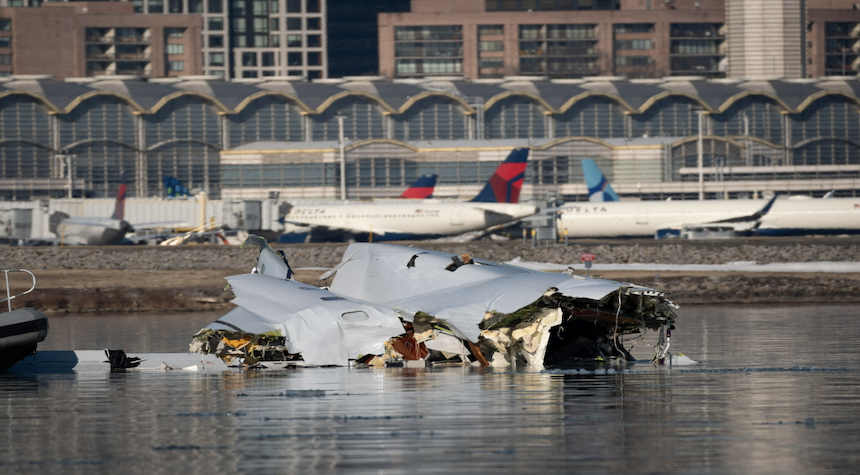
The significance of this case becomes clear when we consider the potential ramifications for air traffic control procedures and airline safety protocols. According to the attorneys, air traffic controllers failed to issue a critical safety alert to the passenger jet, which might have prevented the collision.
American Airlines maintains its commitment to safety, stating it will defend against claims of causation or contribution to the accident. The FAA, for its part, expresses condolences and asserts that measures have been taken to enhance safety in the airspace over the nation’s capital.
Also Check Out: German Fighter Jets Scramble as Russian Warplane Breaches Baltic Airspace
This development follows earlier reports that highlighted concerns about airspace congestion and the unique challenges posed by military traffic in the vicinity of Reagan National Airport. The lawsuit seeks monetary damages, with the exact amount to be determined by a judge.
As this story continues to unfold, it raises important questions about air traffic management, pilot training, and the balance between commercial aviation expansion and safety considerations. The National Transportation Safety Board’s ongoing investigation may provide further insights into the factors that led to this tragic event.
