
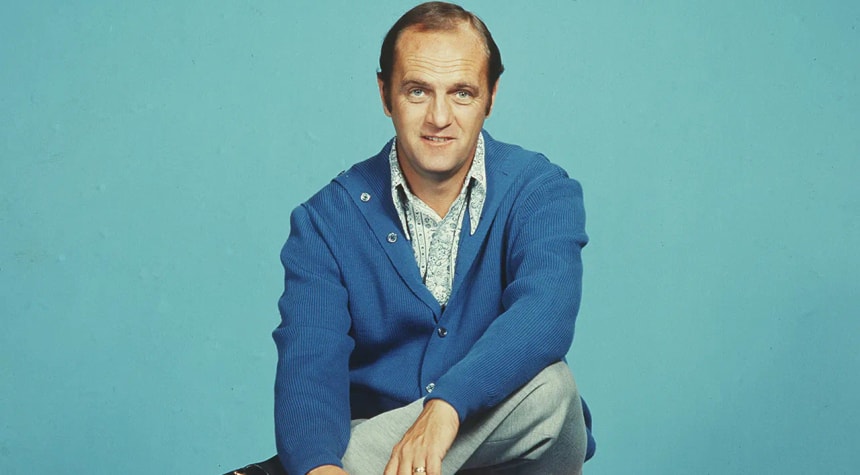
The late Bob Newhart, who passed away in July 2024 at age ninety-four, spent a career making Americans laugh. But in the mid-1970s, the comedian found himself facing a stark financial reality that proved anything but funny. When he attempted to leave his hit television program after five successful seasons, the network responded with a six million dollar lawsuit threat that forced him back to work.
The contract dispute, detailed in a recently published biography by Michael Seth Starr, reveals the considerable pressure Newhart faced when he approached CBS executives about departing "The Bob Newhart Show" before its sixth season. The comedian, who had grown weary after five years in the role, found himself legally bound to continue despite his desire to pursue other projects.
Newhart later acknowledged the uncomfortable position in which he found himself. He admitted he did not possess six million dollars to pay such a judgment, adding with characteristic humor that his wife would not lend him any of her money to cover the amount. His attorney made the situation even clearer, warning that if a replacement series failed to generate comparable revenue, the network could seek damages approaching fifty to sixty million dollars.
The comedian had reasonable concerns about the show’s creative direction. The head writers were occupied with other projects, and Newhart believed five years might be sufficient for the program. He expressed a preference for leaving a year early rather than a year too late, hoping instead to negotiate a series of television specials even if it meant walking away from substantial earnings.
CBS executives Robert Daly and Robert Wussler handled the situation with a combination of legal authority and personal persuasion. When Newhart suggested they could take him to court, the executives reportedly responded that they did not want litigation. They simply wanted their star back on the air.
The network ultimately convinced Newhart to return for a sixth and final season by offering several concessions. These included commitments to better scripts, flexibility to miss one or two episodes, and a modest increase to his thirty thousand dollar per episode salary. The comedian later acknowledged that both the production company and CBS treated him with such consideration that he reconsidered his position.
Newhart also faced pressure from multiple directions. Cast members and production crew would be affected by his departure. Fan letters arrived, and people stopped him on the street to express their appreciation for the program. While he publicly credited this support for his decision to return, he privately acknowledged that the threat of legal action represented the primary factor in his change of heart.
The situation proved fortuitous for all parties. The sixth season concluded in 1978, allowing the show to end on its own terms. Newhart went on to star in another successful CBS sitcom that bore his name, which ran from 1982 to 1990. He continued working into his eighties, finally winning his first competitive Emmy in 2013 for a guest appearance on "The Big Bang Theory."
Newhart’s career spanned more than six decades, beginning with his Grammy-winning comedy album in 1960 and continuing through two iconic sitcoms and numerous television appearances. He was married to his wife Ginnie for sixty years before her death in April 2023. The couple raised four children together. According to Starr, losing Ginnie dealt Newhart a significant blow from which he never fully recovered.
The comedian died at his Los Angeles home with family at his side, following a series of brief illnesses. His contributions to American entertainment remain substantial, and his work continues to reach new audiences through reruns and streaming services.
Related: Dr. Oz Says Expanded Access to GLP-1 Medications Could Save Billions in Treatment Costs