
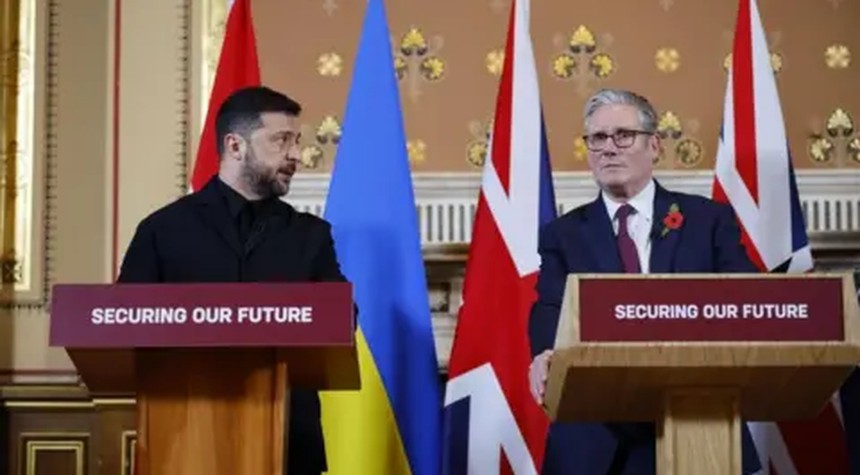
A coalition of more than 20 Western nations has unveiled an aggressive new strategy to systematically dismantle Russia’s energy export capabilities, marking a significant escalation in economic warfare against Moscow’s military apparatus. The announcement comes as Ukraine continues to face Russian aggression nearly two years into the conflict.
Meeting in London, coalition leaders outlined concrete steps to eliminate Russian oil and gas from global markets, directly targeting Putin’s primary source of war funding. This decisive action represents the most coordinated attempt yet to financially strangle Russia’s military operations through energy sector sanctions.
The United States and United Kingdom have already imposed sanctions on Russia’s two largest oil companies, while the European Union has moved to restrict Moscow’s liquefied natural gas exports. These synchronized measures demonstrate the West’s growing recognition that economic pressure, not military aid alone, may prove decisive in ending Putin’s territorial ambitions.
Ukrainian President Volodymyr Zelensky, present at the London summit, pushed for additional military support – specifically long-range missiles capable of striking deep within Russian territory. However, the Biden administration has maintained its reluctance to provide Tomahawk missiles, likely weighing the risk of further escalation after Putin’s explicit threats of “overwhelming” retaliation against such weapons deployment.
The summit’s focus on economic warfare rather than military escalation reflects a strategic shift in Western thinking. Russia currently occupies approximately 20% of Ukrainian territory, including Crimea, demonstrating the limitations of conventional military resistance against a nuclear power.
Coalition members also pledged to target Russia’s sovereign assets, potentially unlocking billions in frozen funds to support Ukraine’s defense capabilities. The European Union has yet to fully commit its €140 billion in frozen Russian assets, though Danish leadership suggests a decision may come by year’s end.
The summit’s emphasis on air defense capabilities acknowledges Russia’s systematic targeting of civilian infrastructure, particularly as winter approaches. However, the absence of specific commitments regarding long-range weapons capabilities reveals the West’s continued caution about crossing Putin’s stated red lines.
This measured approach – focusing on economic pressure while avoiding direct military escalation – represents a logical evolution in Western strategy. By targeting Russia’s energy sector, the coalition aims to achieve what military aid alone cannot: making Putin’s war economically unsustainable while minimizing the risk of nuclear confrontation.
The success of this strategy will depend on sustained unity among Western allies and their willingness to absorb the economic costs of reduced Russian energy supplies. However, the coalition’s coordinated approach suggests a growing recognition that ending Putin’s aggression requires strategic patience and economic resolve rather than military escalation alone.
Related: Reduced Western Aid Could Trigger Devastating Malaria Resurgence
