
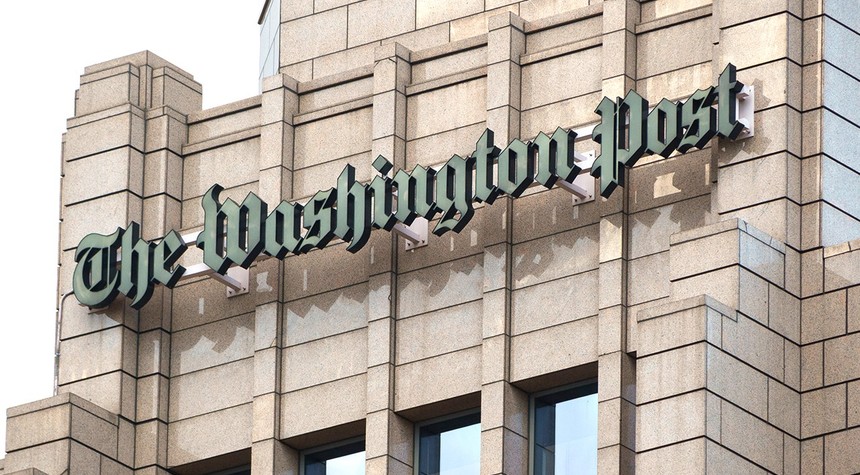
The Washington Post announced sweeping layoffs and departmental closures on Wednesday, marking what may prove to be the most significant restructuring in the storied newspaper’s modern history.
Executive Editor Matt Murray delivered the news during a webinar to employees who had been instructed to remain home for the day. The cuts affected approximately one third of the company’s workforce, with entire departments being eliminated or substantially reduced.
The sports desk, as currently constituted, will cease to exist. The newspaper’s international coverage will be significantly scaled back. The Metro section will become what management described as “nimble and focused.” The Books department has been eliminated entirely. Sports coverage will continue only as what the company termed a “cultural phenomenon.”
“The Washington Post is taking a number of difficult but decisive actions today for our future, in what amounts to a significant restructuring across the company,” a spokesperson stated. “These steps are designed to strengthen our footing and sharpen our focus on delivering the distinctive journalism that sets The Post apart and, most importantly, engages our customers.”
The announcement comes amid mounting financial pressures at the publication, which has been owned by Amazon founder Jeff Bezos since 2013. Former Washington Post fact checker Glenn Kessler recently characterized Bezos as an “absentee owner” when discussing the challenges facing the institution.
Employees affected by the cuts were informed they would receive individual emails detailing their employment status. Despite weeks of speculation about impending layoffs, newsroom staff members expressed shock at the scale of the reductions.
One insider described the mood within the organization as one of profound uncertainty about the newspaper’s future direction. The source indicated that remaining employees are already considering their options elsewhere, suggesting the cuts may have damaged institutional trust beyond repair.
The restructuring represents a dramatic shift for a newspaper that has long maintained robust coverage across multiple beats and geographic regions. The elimination of dedicated departments that have existed for decades signals a fundamental reassessment of the publication’s mission and capabilities.
The financial challenges facing The Washington Post reflect broader difficulties within the traditional newspaper industry. Declining print circulation, increased competition from digital outlets, and changing reader habits have forced legacy publications to reconsider their operational models.
For The Washington Post, an institution with a distinguished history dating back to 1877, these changes mark a decisive break from its past. Whether this restructuring will indeed “strengthen” the newspaper’s footing, as management claims, or whether it represents the beginning of a more prolonged decline, remains to be seen.
What is certain is that the newspaper emerging from this restructuring will look substantially different from the one that existed just days ago. The question now facing both remaining staff and readers is whether that institution can maintain the journalistic standards and comprehensive coverage that built The Washington Post’s reputation over more than a century of publication.
Related: House Prepares Critical Vote to End Partial Government Shutdown
