
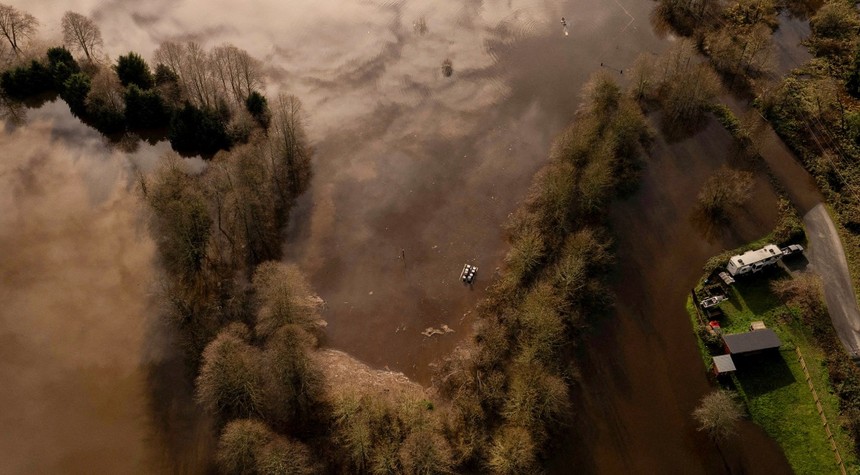
Washington state officials are confronting a troubling reality as they survey the damage from recent atmospheric river storms: federal funding designated to protect communities from exactly this type of flooding remains frozen by the Trump administration.
The state had secured tens of millions of dollars in federal grants for flood mitigation projects, including elevating homes, relocating residents from flood-prone areas, and constructing protective levees. These initiatives now sit in limbo as a consequence of administrative decisions made in Washington, D.C.
Earlier this year, the Trump administration moved to cancel approximately $182 million in Federal Emergency Management Agency funding for natural hazard mitigation projects across Washington state. The decision prompted legal action from Washington and more than twenty other states challenging the cancellation of FEMA’s Building Resilient Infrastructure and Communities program, which the administration had characterized as “wasteful” and “politicized.”
The states prevailed in court last week with a summary judgment in their favor. However, the funds have yet to be disbursed, leaving twenty-seven ongoing projects without the resources to proceed.
An additional $31 million in disaster prevention grants has awaited approval for months from Homeland Security Secretary Kristi Noem, according to Tim Cook, Washington’s state hazard mitigation officer. The delay stems from a departmental policy Secretary Noem implemented this summer.
The recent storms have exacted a severe toll. Atmospheric river systems, which transport moisture from tropical Pacific waters and appear as concentrated bands on weather radar, have forced at least 1,300 rescues and assisted evacuations, claimed one life, and flooded thousands of homes throughout the region.
Climate projections indicate that such flooding will likely intensify in Washington as global warming shifts more precipitation from snow to rain and increases rainfall intensity overall.
State officials acknowledge that the delayed federal funding would not have provided immediate relief during this month’s storms, given the extended timeframes required for mitigation projects. The objective, however, is to protect communities from future flooding events.
“This event, and the one coming whenever in the future, reinforces the importance of investing in the pre-disaster mitigation efforts to reduce damages,” Cook stated. “If folks on the ground were not believers before about the need to do pre-disaster mitigation, they certainly are now.”
Cook cited research from the National Institute of Building Sciences indicating that every dollar invested in such programs saves six dollars in future damages and recovery costs.
Neither FEMA nor the Department of Homeland Security provided responses to requests for comment. A White House official directed inquiries to the Department of Homeland Security.
The situation presents a stark illustration of the tension between administrative budget priorities and state-level disaster preparedness efforts. As Washington residents begin the work of recovery and repair, the question of when, or whether, promised federal support will materialize remains unanswered.
The storms have passed, but the challenge of securing resources to prevent similar devastation in the future continues.
Related: Search Underway for Missing Florida Fishermen as Family Appeals for Help
