
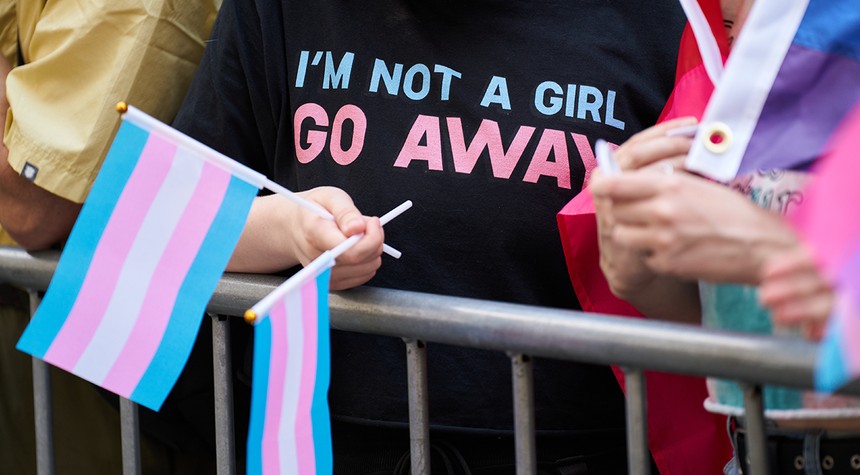
Boston University President Melissa Gilliam issued a formal apology this week following the removal of pride flags from office windows during spring break, acknowledging the distress the action caused among members of the university’s LGBTQIA+ community.
The removals occurred as part of the enforcement of the university’s existing Publications and Publicity Policy, which prohibits the display of signs, posters, and similar materials on walls, doors, windows, and trees. According to university guidelines, such materials may only be posted on authorized bulletin boards and cannot be affixed with permanent adhesives.
In a message distributed Monday to students, faculty, and staff, Gilliam addressed the matter directly. “Our university and our policies exist within a larger social context—one that is dynamic and complex,” she wrote. “In the public conversation about Boston University’s time, place, and manner policies, that spotlight has fallen disproportionately on our LGBTQIA+ community, and I have heard how difficult and painful that has been. I am deeply sorry.”
The incident at Boston University comes amid heightened national attention to the display of pride flags at government institutions and federally funded organizations. A contractor with the United States Agency for International Development recently disclosed that employees at her office removed pride flags in anticipation of a visit from the Department of Government Efficiency, suggesting a broader climate of uncertainty regarding such displays.
The enforcement of display policies at institutions of higher education raises questions about the balance between institutional regulations and community expression. Boston University’s policy, which has been in place for some time, applies uniformly to all materials displayed on university property, regardless of content or message.
University administrators now face the challenge of maintaining consistent policy enforcement while addressing the concerns of community members who view the removal of pride flags as particularly targeting their identity and expression. The timing of the removals, occurring during spring break when many students and faculty were away from campus, has added to the sensitivity of the situation.
Gilliam’s apology represents an acknowledgment of the impact such enforcement actions can have on specific communities, even when policies are applied according to established guidelines. The president’s statement emphasized her awareness of the pain experienced by LGBTQIA+ members of the university community during this period of heightened national discourse.
As institutions across the country navigate similar tensions between policy consistency and community sensitivity, the Boston University case illustrates the complexities administrators face in maintaining order while fostering an inclusive environment. The university has not announced any changes to its existing display policies in response to the controversy.
The matter continues to generate discussion on campus about how universities should balance regulatory frameworks with the diverse needs and expressions of their communities in an increasingly polarized national environment.
Related: Boy Band Documentary Uncovers Disturbing Industry Practice From 1990s
