
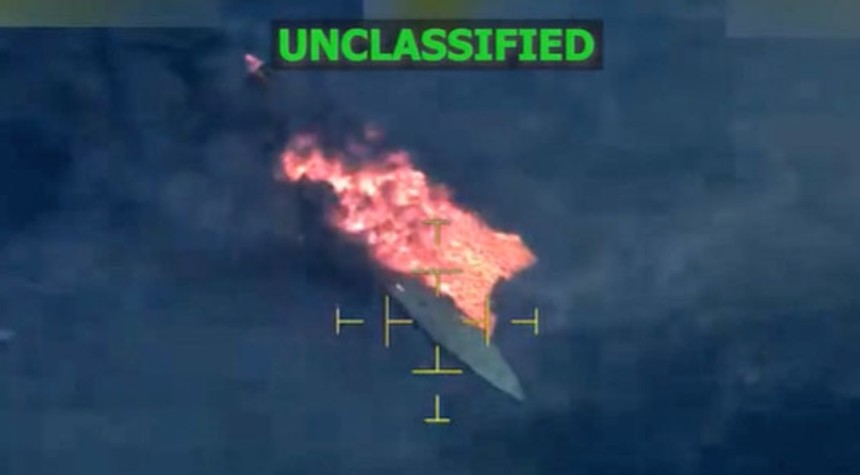
The United States military conducted a lethal strike against a suspected drug-trafficking vessel in the eastern Pacific Ocean on Monday evening, resulting in the death of one individual described by officials as a “narco-terrorist.”
U.S. Southern Command confirmed that military personnel executed the operation at the direction of Defense Secretary Pete Hegseth. The targeted vessel was transiting along established narco-trafficking routes and was actively engaged in drug smuggling operations, according to the command’s official statement.
The Defense Department has maintained that vessels targeted in these operations are transporting narcotics destined for the United States. This latest strike represents the continuation of an aggressive interdiction campaign that has seen American forces conduct more than two dozen similar operations since September. Pentagon figures indicate that these strikes have resulted in over one hundred deaths across both the Pacific and Caribbean regions.
The military action comes amid escalating tensions between the United States and several Latin American governments, particularly Venezuela. Speaking to reporters on Monday, President Donald Trump declined to outline a specific “end game” for American operations in the region but issued pointed warnings to Venezuelan President Nicolás Maduro.
The president suggested that Maduro’s response to American actions would determine his political future. Trump indicated that any aggressive posture from the Venezuelan leader would have severe consequences, while stopping short of explicitly calling for regime change. When pressed on whether forcing Maduro from power was the ultimate objective, the president stated that such decisions remained in Maduro’s hands, though he suggested stepping down would be the prudent course.
Trump’s remarks extended beyond Venezuela to include criticism of Colombian President Gustavo Petro, whose leftist government has publicly opposed the American maritime strikes. The president characterized Petro as hostile to American interests and warned him in blunt terms about the consequences of continued opposition.
Despite his harsh assessment of Colombia’s leadership, Trump was careful to distinguish between the government and the Colombian people, whom he praised as energetic, intelligent, and valued friends of the United States. He described Petro as a troublemaker whose actions warrant close scrutiny from Washington.
The administration’s maritime interdiction campaign represents a significant escalation in counter-narcotics operations, employing lethal military force against suspected drug traffickers at sea. The policy has generated controversy both domestically and internationally, with critics questioning the legal framework and rules of engagement governing these strikes.
Supporters of the operations argue that aggressive interdiction is necessary to combat the flow of illegal narcotics into the United States, which continues to fuel a domestic drug crisis. The administration has framed these actions as essential to national security and public health.
As the strike campaign continues, questions remain about its long-term strategic objectives and its impact on diplomatic relations throughout Latin America. The president’s willingness to publicly threaten regional leaders suggests the administration views these operations as part of a broader effort to reshape American influence in the Western Hemisphere.
Related: Mexican Navy Medical Plane Crashes Near Galveston, Killing at Least Five
