
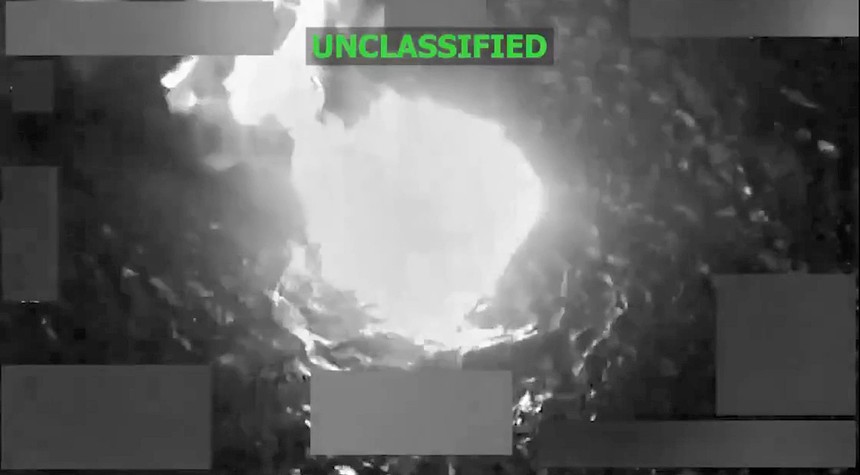
The United States military has conducted another lethal strike against a vessel suspected of drug trafficking in the Eastern Pacific Ocean, resulting in the deaths of six individuals aboard. The operation marks the forty-fifth such action since the campaign began last September.
U.S. Southern Command announced on Sunday that it had executed what it termed “a lethal kinetic strike on a vessel operated by Designated Terrorist Organizations.” The operation was authorized by General Francis L. Donovan of the Marine Corps, who assumed command of Southern Command in January.
According to the military’s official statement, intelligence assessments confirmed the targeted vessel was traveling along established narco-trafficking routes and was actively engaged in drug smuggling operations. No American military personnel were killed or injured during the strike.
The cumulative death toll from these maritime interdiction operations now stands at least 156 individuals since the current administration initiated the aggressive campaign against suspected drug smugglers operating in the Caribbean Sea and Eastern Pacific Ocean. Military officials report an acceleration in the frequency of these strikes in recent weeks.
Defense Secretary Pete Hegseth defended the operation last week, stating that the offensive posture has achieved its intended deterrent effect. He noted that there had been a period of several weeks without strikes, attributing this lull to a scarcity of targets rather than any change in operational tempo. According to Hegseth, the reduced number of vessels represents success in discouraging narco-terrorist cartels from operating in these waters.
The Pentagon has maintained its policy of not releasing the identities of those killed in these operations. Additionally, military officials have declined to provide photographic or physical evidence of narcotics discovered aboard the targeted vessels.
This operational approach has generated scrutiny from members of Congress, including concerns about due process and the possibility of civilian casualties. Senator Rand Paul of Kentucky has been particularly vocal in questioning the legal and moral framework of the strikes. In January, Paul challenged his colleagues to consider whether adequate safeguards exist to prevent the deaths of innocent individuals who may be aboard these vessels.
The debate centers on fundamental questions about the balance between aggressive drug interdiction and the protection of individual rights. Critics argue that the lack of transparency regarding evidence and casualties undermines confidence in the operations. They contend that individuals aboard these vessels, regardless of their suspected activities, deserve some form of judicial process before lethal force is employed.
Supporters of the campaign maintain that the strikes represent a necessary and effective tool in combating the flow of illegal narcotics into American communities. They argue that the designated terrorist organization status of the cartels operating these vessels justifies the military response under existing legal authorities.
The administration has characterized the operation as essential to national security, emphasizing the connection between drug trafficking organizations and the ongoing crisis of substance abuse affecting American families. The Pentagon continues to assert that all strikes are conducted based on credible intelligence and in accordance with established rules of engagement.
As this campaign continues, the tension between operational security and public accountability remains unresolved, with calls growing in both chambers of Congress for greater transparency regarding the evidence supporting these lethal actions.
Related: President Establishes Americas Counter Cartel Coalition at Florida Summit
