
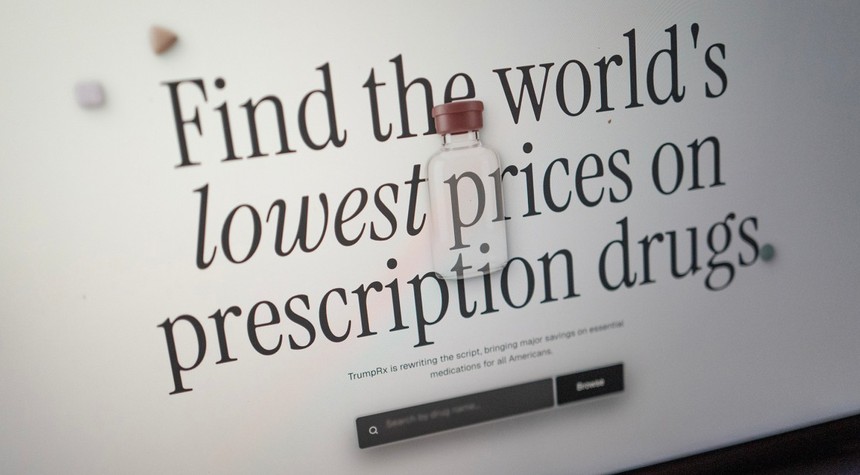
More than a month after the Trump administration launched TrumpRx.gov as an answer to rising prescription drug costs, the federal discount website remains modest in scope, offering price comparisons on just 54 medications. The platform has drawn questions from health policy experts about whether it represents meaningful reform or merely repackages existing discount programs.
The website functions similarly to established prescription discount platforms, allowing Americans to compare cash prices for medications at various pharmacies. However, the discounts cannot be combined with insurance coverage and do not count toward patient deductibles. Many of the medications currently featured already have generic alternatives or manufacturer savings programs available through other channels.
Public awareness of the initiative remains limited. A recent survey conducted by KFF, a nonpartisan health policy research organization, found that approximately one-third of Americans who take prescription medications had heard at least something about TrumpRx. Only 7 percent reported visiting the site to compare prices, though that figure rose to 16 percent among patients taking GLP-1 medications for weight management.
A White House official acknowledged the website remains in early development stages but declined to provide specific data on site traffic or the number of drugs planned for addition in coming weeks. The official indicated that IVF treatments and GLP-1 weight loss medications have been among the most frequently searched items on the platform.
The administration has stated its intention to expand the drug catalog substantially in the near term and expressed hope that Congress will codify the negotiated pricing arrangements into law as part of broader healthcare legislation. However, there are presently no indications that such legislation is under active consideration on Capitol Hill.
“We don’t see this as the end product,” the White House official stated. “The goal here is to pass the president’s Great Healthcare Plan to codify these deals, so if people use insurance to buy these drugs, they can also access the savings.”
Health policy analysts have noted that TrumpRx does not introduce fundamentally new mechanisms for reducing prescription costs. Antonio Ciaccia, chief executive of 46brooklyn, a nonprofit organization that monitors prescription drug pricing, observed that the platform essentially consolidates tools and discount structures that already exist in the marketplace, rather than creating novel pathways to savings.
The initiative arrives against a backdrop of sustained public frustration with pharmaceutical pricing. For years, Americans have expressed concern about a system they perceive as opaque and unfavorable to consumers, where tracking actual costs proves difficult and determining fair market value remains elusive.
Whether TrumpRx evolves into a meaningful tool for consumers or remains a marginal option will depend largely on the administration’s next steps. The platform currently lacks the comprehensive drug listings, purchasing capabilities, and insurance integration features that would be necessary to significantly alter how most Americans access and pay for prescription medications.
The political stakes extend beyond the website itself. As midterm elections approach, the administration has positioned prescription drug pricing as a central component of its healthcare agenda. The success or failure of TrumpRx may influence public perception of whether the administration has delivered substantive solutions to healthcare costs or merely provided symbolic gestures.
For millions of Americans struggling with prescription costs, the question remains straightforward: Will this website actually help them afford their medications? The answer, at this early stage, appears to be that it might offer modest assistance to some, but falls short of the comprehensive reform many had hoped to see.
Related: Trump Suspends Century-Old Shipping Law to Address Rising Fuel Costs
