
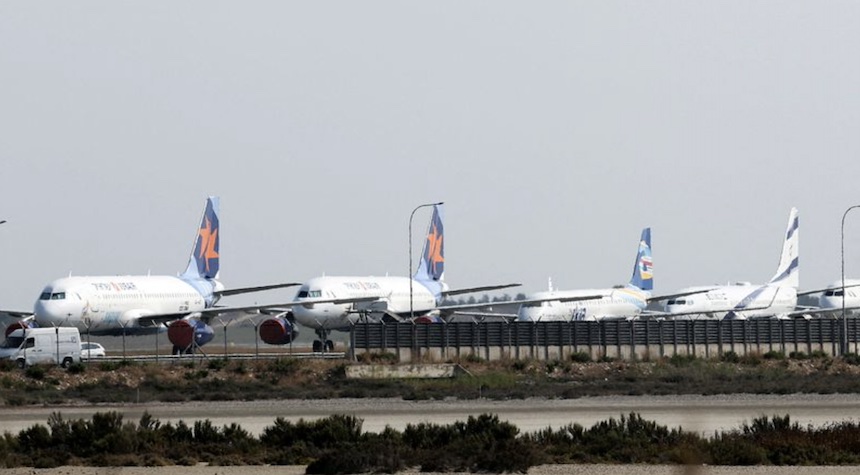
Following the recent U.S. military actions in Iran, commercial airlines worldwide are deliberating the length of suspension for their Middle East flights.
Singapore Airlines, recognized as one of Asia’s most prominent carriers, described the situation as ‘fluid’ after cancelling flights from Singapore to Dubai based on a security assessment.
The Middle East route has gained importance for flights between Europe and Asia since airspace over Russia and Ukraine closed due to conflicts. However, the flight tracking website Flightradar24 displayed a vacant airspace over Iran, Iraq, Syria, and Israel.
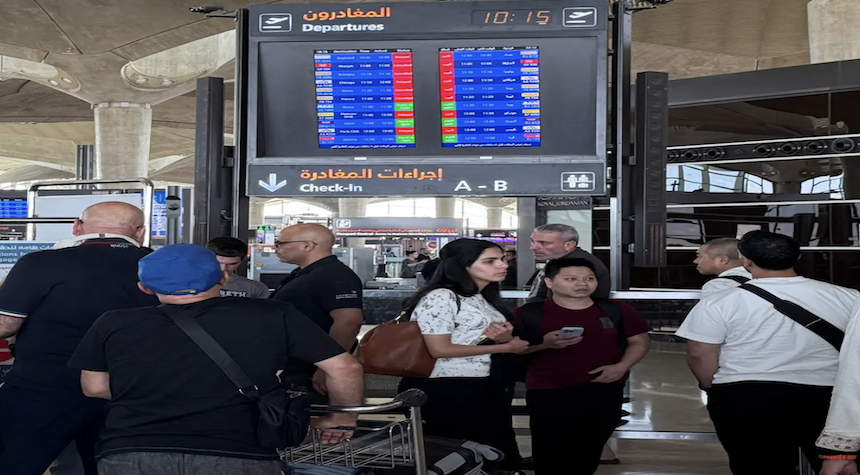
Air France KLM and British Airways also announced cancellations of flights to and from Dubai, Riyadh, and Doha. This development follows earlier reports that missile and drone attacks in increasingly conflict zones pose a substantial risk to airline traffic.
Safe Airspace, an organization monitoring flight risks, warned that U.S. strikes on Iran’s nuclear sites may exacerbate the threat to American operators in the region.
In the days leading up to the U.S. strikes, American Airlines and United Airlines suspended flights to Qatar and Dubai, respectively. Airlines are also wary of a potential surge in oil prices resulting from the U.S. attacks, which would undoubtedly inflate the cost of jet fuel.

Meanwhile, Israel is ramping up its flight operations to assist stranded travelers, both domestically and internationally. The Airports Authority reported an increase in rescue flights, albeit with a passenger limit of 50 per flight. Israeli airline El Al reported an influx of departure applications from approximately 25,000 individuals in a single day.
The repercussions of increased military activity in the Middle East have sent ripples through the global aviation industry. As airlines reassess their operations in response to these security concerns, the international community awaits the unfolding of the situation.
