

The Department of Health and Human Services has confirmed the first instance of a New World Screwworm infestation in a human within the borders of the United States. This parasitic infestation was identified in a patient who had recently returned from El Salvador and was officially confirmed by the Centers for Disease Control and Prevention on August 4th, as stated by HHS spokesperson Andrew Nixon on Monday.
The CDC, in partnership with the health department of Maryland, thoroughly investigated this case. This marks the first instance of human New World screwworm myiasis contracted from an outbreak-affected country being identified in the United States. Despite the alarming nature of this development, Nixon reassures us that the risk to U.S. public health remains very low at this time.
New World Screwworm myiasis is a parasitic infestation wherein larvae, or maggots, of the New World Screwworm (NWS) flies feed on live tissue, as reported by the CDC. The U.S Department of Agriculture adds that when these NWS fly larvae burrow into the flesh of a living creature, they can inflict severe and often fatal damage. This infestation is not exclusive to livestock, but can also afflict pets, wildlife, occasionally birds, and in rare instances, humans.
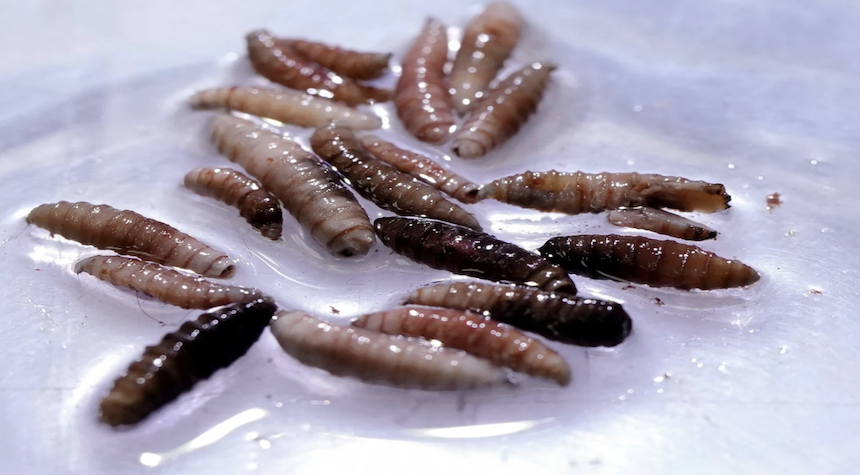
The NWS is endemic to South America and the Caribbean. Those considered at higher risk include individuals residing in rural areas where the NWS is prevalent, particularly areas with livestock, and individuals with open wounds or sores. The CDC further warns that vulnerable populations are particularly susceptible.
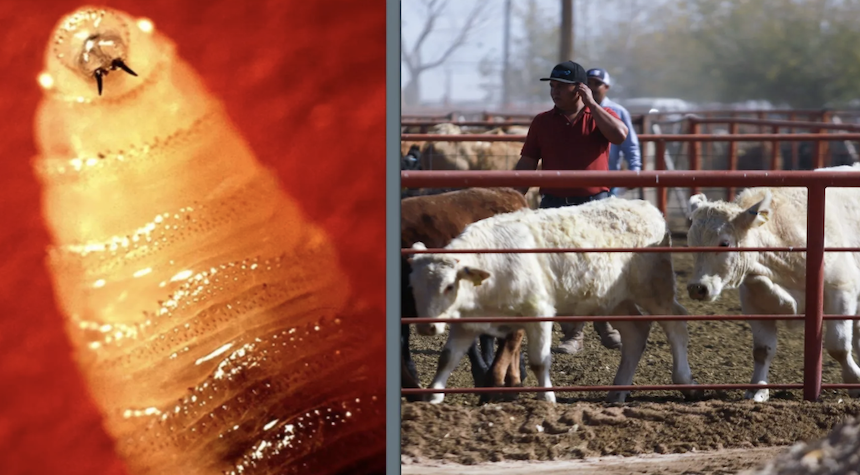
The CDC informs us that there is currently no medication for treating this infestation. However, proactive measures are being taken. Texas officials issued an advisory late last year for outdoor enthusiasts in South Texas after the NWS was found in a cow in the southern Mexican state of Chiapas. Furthermore, as a protective measure, animal health officials are urging those along the southern Texas border to monitor wildlife, livestock, and pets for clinical signs of NWS and report potential cases promptly.
You May Also Like: World’s Oldest Living Person, Ethel Caterham, Marks 116th Birthday With Grace
This development follows earlier reports that in June, the U.S. government released a policy initiative aimed at halting the spread of New World screwworms in live cattle and other animal imports. This includes a plan to establish an insect dispersal facility in Texas.
As we consider these details, we are reminded of the importance of vigilance, both in our personal health and in our collective responsibility to public health. As always, the public’s right to information is paramount.
