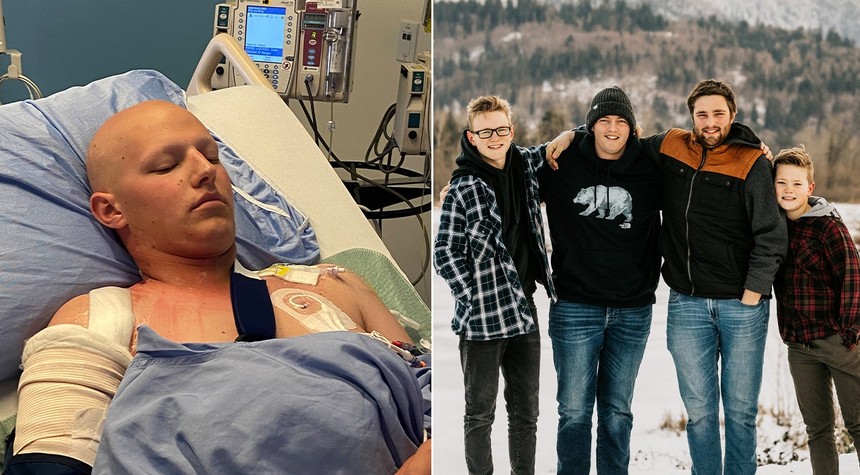
The aggressive expansion of assisted suicide laws worldwide faces fierce opposition from an unlikely source – the final wishes of a Canadian teenager who chose to fight for life until his natural end.
In spring 2022, Markus Schouten received devastating news in a Vancouver cancer ward that would spark a lasting crusade against the normalization of euthanasia for minors. Rather than surrender to growing pressure to expand assisted suicide access to children, the teenager used his remaining days to advocate for life’s inherent value.
“Life is worth living and we should always work to alleviate suffering without eliminating the sufferer,” Markus declared in a powerful letter to Canadian Parliament, dictated from his family’s living room sofa. His parents, who witnessed their son’s courage firsthand, have now taken up his mission to prevent the expansion of euthanasia to “mature minors.”
The Schoutens’ battle reveals a disturbing reality: a sophisticated, multi-million dollar global industry actively promoting death as a solution to suffering. This network, which could aptly be called Assisted Suicide Inc., has methodically dismantled safeguards while aggressively expanding services beyond terminal illness to include psychiatric conditions.
Investigation reveals at least 96 organizations worldwide now comprise this death industry, offering everything from “suicide pods” to “death doulas” while actively promoting “suicide tourism.” This represents a radical departure from the original narrow focus on terminally ill adults seeking to end unbearable physical suffering.
“As we continue to expand the euthanasia regime, all the safeguards and windows have gone out the window,” explains Mike Schouten, Markus’s father. “And it becomes open season for anyone to choose death, including children.”
The implications are particularly chilling in Canada, where the law is poised to expand to patients with severe psychiatric disorders by 2027. This progression follows a familiar pattern seen in other nations, where initial “strict safeguards” gradually erode into increasingly permissive policies.
Disability rights advocates have joined the Schoutens’ cause, arguing that the assisted suicide industry specifically targets society’s most vulnerable – individuals who often require enhanced living assistance rather than lethal options. This alliance highlights the growing concern that euthanasia has evolved from a last resort into a preferred solution for challenging medical and social issues.
Markus Schouten’s final message – “See you in paradise” – delivered surrounded by loved ones, stands in stark contrast to the industrial approach to death being marketed globally. His story serves as a powerful reminder that even in life’s darkest moments, the human spirit can illuminate a better path forward than the clinical finality offered by Assisted Suicide Inc.
The teenager’s dying wish that no child should face the choice between life and death continues to resonate through his parents’ advocacy, challenging society to consider whether we’re truly serving our most vulnerable by making it easier to end their lives rather than improving them.
Related: Muslim American Business Leader Named Special Envoy to Iraq