
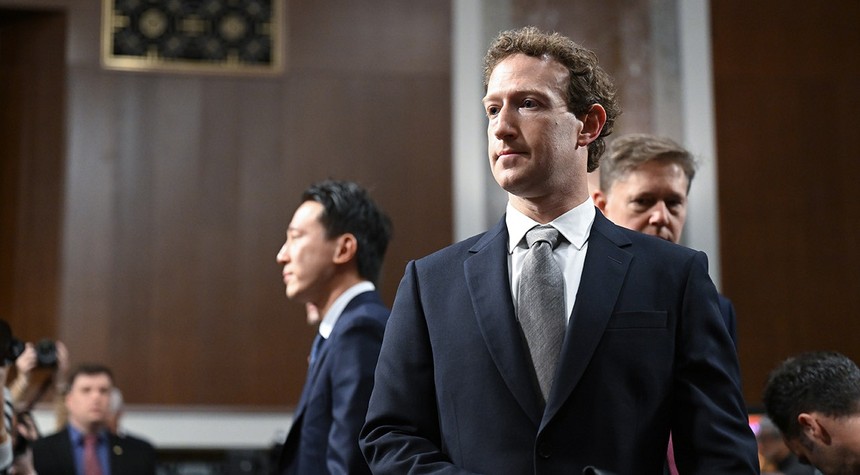
A federal court has delivered what may prove to be a watershed moment in the ongoing struggle to hold technology companies accountable for their impact on American children. Meta and YouTube have been found liable in a landmark case concerning social media addiction among young users, marking the first time major platforms have faced such legal consequences.
Mark Lanier, the lead attorney representing plaintiff KGM, confirmed that Meta’s Chief Legal Officer has announced plans to appeal the verdict. The decision comes as little surprise to those who have watched these companies deploy vast legal resources to resist regulatory oversight and accountability measures.
The verdict represents a significant shift in how courts are approaching the question of corporate responsibility in the digital age. For years, technology giants have operated with minimal constraints, their platforms designed with features that critics argue deliberately target the psychological vulnerabilities of young users. The court’s decision suggests that legal liability may extend beyond content moderation to the fundamental architecture of these platforms.
What makes this development particularly noteworthy is the vacuum of action it fills. Congress has spent more than a decade discussing, debating, and ultimately failing to enact meaningful legislation to protect children from potentially harmful digital environments. The legislative paralysis on this issue mirrors broader dysfunction on Capitol Hill, where even straightforward problems have proven insurmountable.
The reasons for congressional inaction are not mysterious. These technology companies command unprecedented wealth and have demonstrated an increasing willingness to deploy those resources toward political influence. The correlation between campaign contributions and legislative hesitancy has not gone unnoticed by observers of the political process.
Recent developments suggest growing frustration among some lawmakers. Senator Josh Hawley has launched an investigation into Google following testimony at a Senate hearing regarding child safety concerns. Yet such individual efforts have consistently failed to translate into comprehensive legislative action.
The courtroom victory achieved by Lanier and his legal team may represent a new front in efforts to establish guardrails around technology that affects millions of American families. When the legislative branch proves unable or unwilling to act, the judicial system becomes an alternative avenue for addressing public concerns.
The implications of this verdict extend beyond the immediate parties involved. Should the decision survive the appeals process, it could establish precedent that fundamentally alters how technology companies approach product design, particularly features targeting younger demographics. The financial stakes are considerable, as are the potential changes to business models built around maximizing user engagement.
Meta and YouTube have consistently maintained that their platforms include parental controls and safety features. However, the court’s decision suggests that such measures may be insufficient when weighed against design elements that allegedly promote compulsive use patterns among minors.
As this case proceeds through the appeals process, it will be watched closely by parents, policymakers, and industry observers alike. The outcome may well determine whether corporate accountability for digital products will be established through the courts, through eventual congressional action, or perhaps not at all.
For now, the message from the courtroom is clear: technology companies may no longer operate with the assumption that they bear no responsibility for the effects their platforms have on the youngest and most vulnerable users.
Related: Gas Thief Disrupts Services at School Serving Vulnerable Students
