
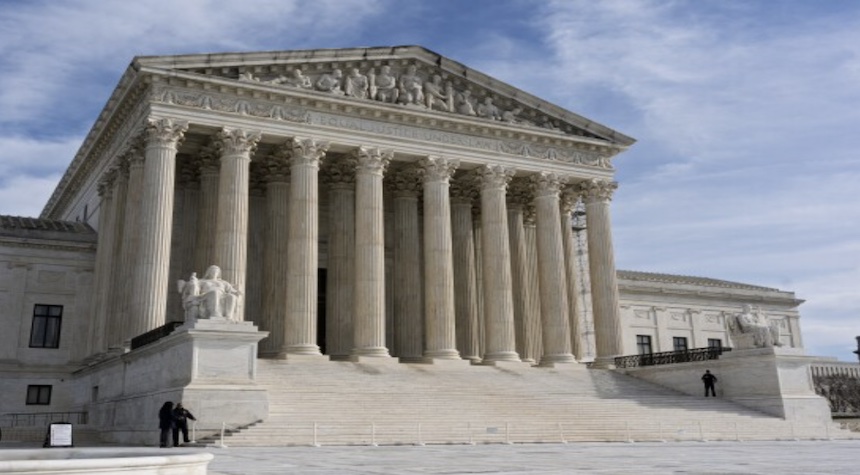
The Supreme Court has decided to hear the appeal of Damon Landor, a former Louisiana prison inmate. Landor, a follower of the Rastafari faith, had his dreadlocks shorn by prison guards, which he claims violated his religious rights.
The justices will scrutinize an appellate ruling that asserted that Landor could not sue prison officials for financial damages under a federal law designed to safeguard the religious rights of prisoners.
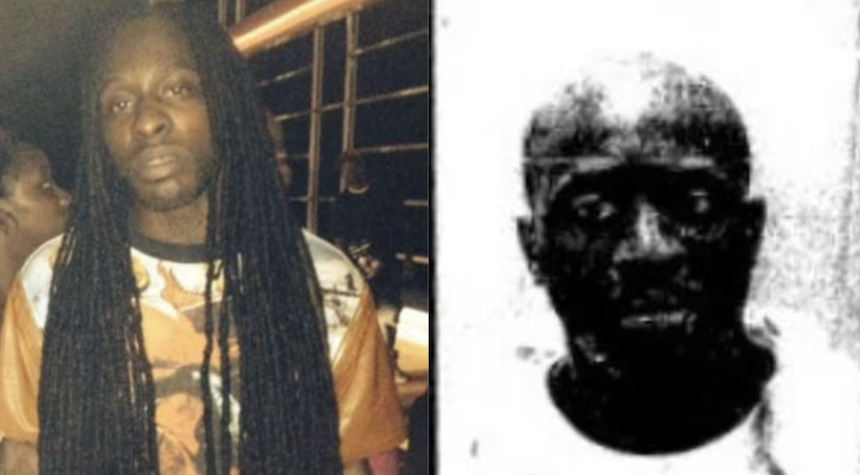
Reports indicate that Landor, who had been growing his hair for almost 20 years, entered Louisiana’s prison system in 2020 to serve a five-month sentence. Prison officials at his initial placements respected his religious beliefs. However, there was a distressing shift when he was transferred to the Raymond Laborde Correctional Center in Cottonport, about 80 miles northwest of Baton Rouge, for the concluding weeks of his sentence.

A prison guard discarded a copy of a court ruling that Landor was carrying, which stated that trimming religious prisoners’ dreadlocks infringes upon the Religious Land Use and Institutionalized Persons Act. Subsequently, the warden commanded the guards to cut Landor’s dreadlocks. While restrained by two guards, a third guard shaved his head to the scalp.
After his release, Landor sued, but the lower courts dismissed the case. The 5th U.S. Circuit Court of Appeals expressed regret over Landor’s treatment, but stated that the law does not permit him to hold prison officials accountable for damages. The Supreme Court has agreed to hear the arguments in the autumn.
Landor’s legal team is urging the court to be steered by its 2021 ruling, which allowed Muslim men to sue over being included on the FBI’s no-fly list under a related law, the Religious Freedom Restoration Act. Interestingly, the administration of former President Donald Trump, a Republican, submitted a brief supporting Landor’s right to sue, encouraging the court to take up the case.
The state of Louisiana has urged the justices to dismiss the appeal, despite acknowledging Landor’s mistreatment. The state’s attorneys have noted that the prison grooming policy has been updated to prevent similar incidents in the future.
Key to this case is the understanding that the Rastafari faith, rooted in 1930s Jamaica, was born as a response of Black individuals to white colonial oppression. A blend of Old Testament teachings and a yearning to return to Africa, the faith was popularized worldwide in the 1970s by renowned Jamaican music icons Bob Marley and Peter Tosh.
To conclude, the case represents a significant intersection of religious rights and criminal justice. The case is Landor v. Louisiana Department of Corrections, 23-1197. As developments unfold, we will continue to keep you informed.
