
The nation finds itself at a crossroads on the matter of consumer affordability, with President Trump maintaining that concerns about rising costs represent what he terms a Democratic “con job,” even as members of his own party acknowledge the issue’s significance to American voters.
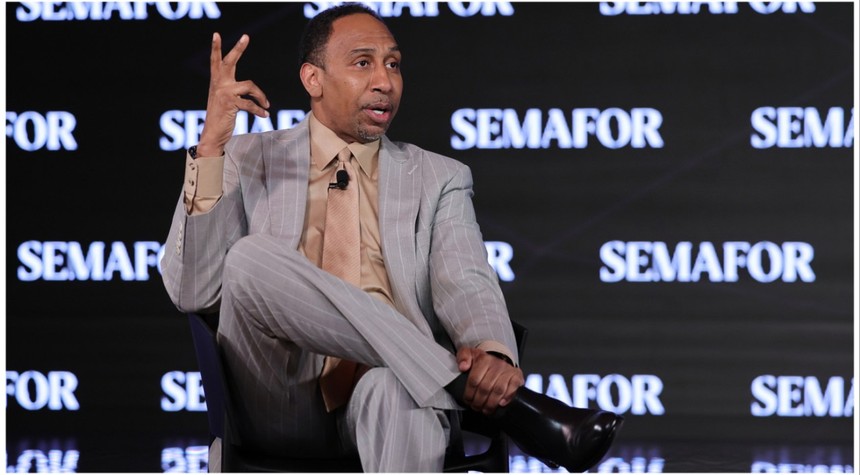
Sports commentator Stephen A. Smith, speaking on a national television program Thursday, took issue with the president’s characterization of the affordability debate. Smith suggested the president’s dismissive stance stems from a reluctance to acknowledge challenges facing ordinary Americans.
“He has to say that right now because it is an issue and a concern for the American people,” Smith stated, adding that the president “wants to act as if there is no concern because everything he is doing is just so beautiful and so marvelous.”
The president has consistently maintained that energy and grocery prices remain low, characterizing Democratic emphasis on affordability as manufactured political theater. Following November’s elections, he told reporters that “the Democrats are good at a few things, cheating on elections and conning people with facts that are not true.”
However, recent electoral results suggest the issue carries weight with voters. Democrats secured victories in several high-profile contests last month, including gubernatorial races in New Jersey and Virginia, winning by margins that exceeded expectations. Political analysts have largely attributed these successes to Democratic campaigns that centered on affordability concerns.
What makes this political moment particularly noteworthy is the growing acknowledgment from prominent Republican figures that affordability has become a legitimate voter concern. Vice President Vance and Representative Marjorie Taylor Greene of Georgia have both publicly recognized the issue’s importance.
Greene has been particularly direct in her assessment, stating in November that “grocery prices remain high. Energy prices are high.” She further suggested that the affordability issue contributed to Republican losses in recent elections, a position that stands in stark contrast to the president’s public statements.
The divergence between the president’s messaging and the concerns expressed by members of his own party presents a notable development as the nation approaches next year’s midterm elections. Political observers expect affordability to feature prominently in those contests.
Smith, for his part, credited Democrats with forcing the president to address the issue, stating they are “gaining some momentum.” His comments reflect a broader political reality: the party that successfully addresses voter concerns about the cost of living may well determine the outcome of future elections.
The question facing the nation is straightforward. Are Americans experiencing genuine economic hardship that merits political attention, or has the opposition party successfully manufactured a crisis where none exists? The answer to that question will likely be rendered not in political rhetoric, but in the lived experiences of American families managing their household budgets.
And that is the way it is.
Related: Federal Christmas Tree Permits Drop to One Dollar as Part of Affordability Initiative
