
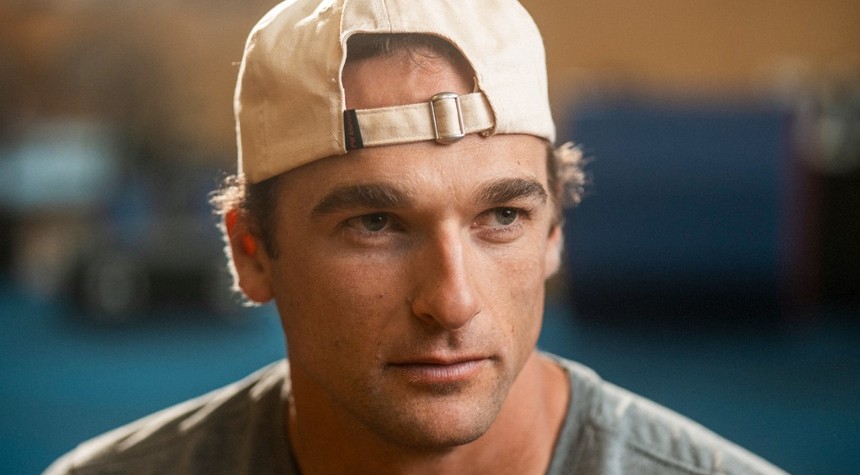
PARK CITY, Utah — The story of Nick Goepper serves as a sobering reminder that athletic triumph does not immunize competitors from the struggles that affect ordinary Americans.
Twelve years have passed since Goepper, then competing in his first Olympic games, claimed a silver medal in slopestyle skiing at the Sochi Winter Olympics. He was twenty-three years old and had reached what many would consider the apex of athletic achievement. The medal brought with it the trappings of success: recognition, business opportunities, and the opening of doors previously closed to him.
Yet what followed was not the sustained euphoria one might expect. Instead, Goepper found himself confronting a profound depression, what he has described as an “Olympics hangover” that left him questioning his purpose and direction.
“You can experience traumatic euphoria, a kind of short-term life change,” Goepper explained in a recent interview. “Then afterwards, you’re kind of left with ‘Well, what do I do now?’ There was this crazy thing I was preparing for, and now it’s all gone. Now I have seemingly a lack of structure, a lack of focus, a lack of people around me because all these people that were telling me I was the best thing since sliced bread have all gone away now.”
The phenomenon Goepper describes is not unique to him. Athletes across disciplines have reported similar experiences following major competitions. The years of focused training, the single-minded pursuit of excellence, and the intense support system that surrounds Olympic-level competitors can create a framework that suddenly collapses once the competition concludes.
For Goepper, the aftermath included not only depression but also problems with alcohol and encounters with the legal system. His candor about these struggles represents a departure from the typical narrative surrounding Olympic athletes, who are often presented to the public as paragons of discipline and mental fortitude.
The reality, as Goepper’s experience demonstrates, is considerably more complex. The same drive and intensity that propels athletes to Olympic glory can become a liability when that singular focus is suddenly removed. The support network that surrounds them during training and competition often dissipates rapidly once the spotlight moves on to the next competition, the next athlete, the next story.
This account raises important questions about how our society supports elite athletes, not merely in their pursuit of medals, but in the years that follow their competitive careers. The transition from Olympic competitor to civilian life presents challenges that are only beginning to be understood and addressed.
Goepper’s willingness to discuss these matters publicly may serve a valuable purpose. By speaking frankly about his struggles, he provides a more complete picture of the Olympic experience and potentially offers guidance to future athletes who may face similar challenges.
Related: California Backcountry Avalanche Leaves Eight Dead Near Lake Tahoe
