
Federal immigration authorities have arrested two foreign nationals in separate enforcement actions that highlight ongoing tensions between local sanctuary policies and federal law enforcement priorities.
In Illinois, Immigration and Customs Enforcement agents arrested Giovana Mercedes Moreno Ochompy, a former high school teacher and illegal immigrant, in connection with a triple homicide investigation involving the Venezuelan criminal organization Tren de Aragua. Chicago police had previously released Ochompy from custody without notifying federal immigration authorities, a decision made in accordance with the city’s sanctuary policies.
The case has reignited debate over sanctuary city protocols that limit cooperation between local law enforcement and federal immigration officials. Tom Homan, former acting director of ICE, has been particularly critical of such policies, maintaining that they create dangerous obstacles for federal law enforcement and pose significant risks to public safety.
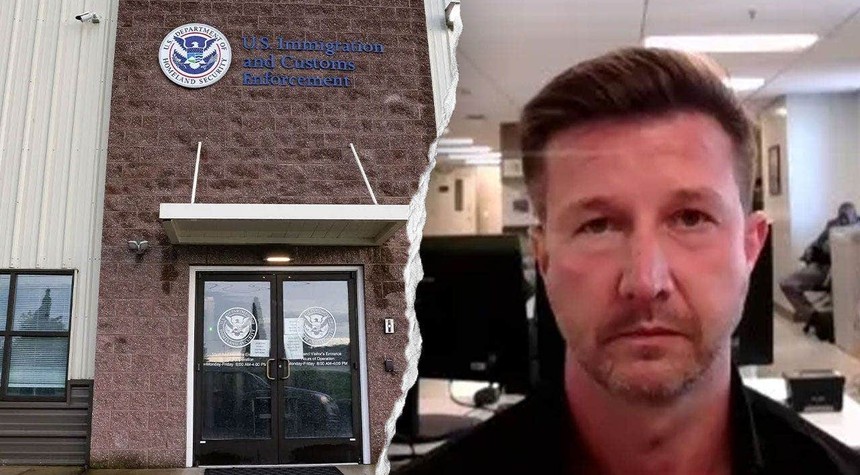
In a separate action on the West Coast, ICE announced the arrest of Roberts Nemiro, a Latvian national who gained minor celebrity status as a contestant on his home country’s version of “Dancing with the Stars.” Federal agents apprehended Nemiro in San Francisco on Tuesday following a referral from U.S. Citizenship and Immigration Services.
According to the Department of Homeland Security, Nemiro remained in the United States beyond the expiration of his visa and faces removal proceedings. His criminal history includes serious offenses such as aggravated assault with a firearm, sexual battery, and drug-related crimes. Nemiro appeared on “Dejo ar zvaigzni,” the Latvian adaptation of the British television program “Strictly Come Dancing.”
The arrests represent part of broader immigration enforcement efforts that have intensified scrutiny of sanctuary jurisdiction policies. These policies, adopted by numerous cities and counties across the nation, generally prohibit local law enforcement from inquiring about immigration status or honoring certain federal immigration detainer requests without judicial warrants.
Proponents of sanctuary policies argue they encourage immigrant communities to cooperate with local police without fear of deportation, thereby enhancing overall public safety. Critics counter that such policies protect dangerous criminals from federal authorities and undermine the rule of law.
The Ochompy case particularly underscores the practical consequences of these policy disagreements. Had Chicago police notified ICE upon her initial contact with law enforcement, federal authorities could have taken custody immediately. Instead, her release back into the community preceded her eventual arrest on charges connected to a triple homicide.
The involvement of the Tren de Aragua gang adds another dimension to immigration enforcement concerns. This Venezuelan criminal organization has expanded operations across multiple American cities, engaging in various criminal enterprises including human trafficking, drug distribution, and violent crime.
These arrests arrive amid ongoing national debate about immigration policy, border security, and the appropriate balance between local autonomy and federal enforcement authority. The cases demonstrate the complex intersection of immigration law, criminal justice, and public safety that continues to challenge policymakers at all levels of government.
Related: Nursing Mother Detained by ICE Nearly 700 Miles From Her Children in Tennessee
