
The debate over Medicaid reform has emerged as one of the most contentious issues facing Congress, with Republicans and Democrats offering starkly different interpretations of recent changes to the federal health insurance program.
At the center of the dispute are reforms embedded in legislation that Republican lawmakers characterize as necessary improvements to program integrity. Democrats, however, contend these changes amount to harmful cuts designed to fund tax reductions for wealthy Americans while stripping coverage from vulnerable populations.
The facts of the matter warrant careful examination.
Republican officials maintain their reforms have not diminished services for those whom Medicaid was originally designed to serve. Representative Morgan Griffith of Virginia, who chairs the House Committee on Energy and Commerce Subcommittee on Health, stated that the traditional Medicaid population, including expectant mothers, low-income seniors, children, and individuals with disabilities, remains unaffected by the legislative changes.
“The Working Families Tax Cuts increased oversight efforts as part of a larger package of Medicaid program integrity measures to more precisely serve the traditional Medicaid and the Medicaid Expansion populations,” Griffith explained.
Conservative health policy experts who have analyzed the reforms argue that stricter eligibility requirements serve a specific purpose: ensuring Medicaid dollars reach their intended recipients. These experts describe Democratic characterizations of the reforms as “scare tactics” aimed at misleading the American public about the legislation’s true impact.
The numbers themselves tell a significant story. Medicaid and the Children’s Health Insurance Program enrolled more than 82 million Americans in 2024, nearly double the 42.1 million enrolled in 2005. This dramatic expansion has raised questions about program sustainability and whether the original mission of Medicaid has been preserved.
Additional points of contention involve provisions affecting how states receive federal reimbursement for healthcare coverage. Republicans have raised concerns about what they characterize as funding loopholes that certain states have exploited, though the full details of these allegations remain under discussion.
Centers for Medicare and Medicaid Services Administrator Dr. Mehmet Oz has joined Republican lawmakers in addressing what he describes as myths surrounding Democratic claims about the reforms.
The disagreement extends beyond policy specifics to fundamental questions about the proper scope and administration of federal health programs. Democrats argue that any restrictions on Medicaid eligibility will inevitably harm Americans who depend on the program for essential healthcare services. Republicans counter that responsible stewardship of taxpayer dollars requires ensuring benefits reach those truly in need.
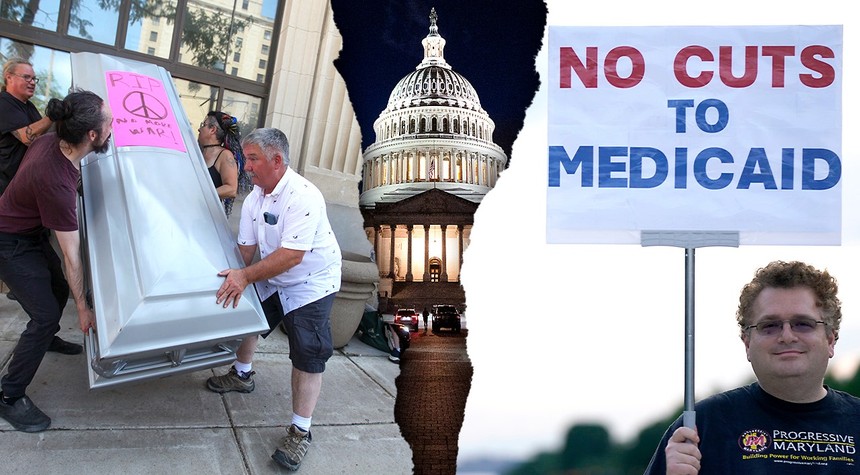
Protests have erupted in several states, with demonstrators expressing concern about potential coverage losses. The intensity of public reaction underscores the deeply personal nature of healthcare policy and the real consequences legislative decisions carry for millions of American families.
As this debate continues, both parties face the challenge of presenting their positions with clarity and honesty. The American people deserve a full accounting of how these reforms will affect Medicaid’s ability to serve its core mission while maintaining fiscal responsibility.
What remains clear is that Medicaid reform will continue to be a defining issue in American politics, one that demands serious consideration from lawmakers and citizens alike. The outcome of this debate will shape healthcare access for millions of Americans for years to come.
Related: Hochul Faces Tight Race as Majority of New Yorkers Signal Desire for Change
