
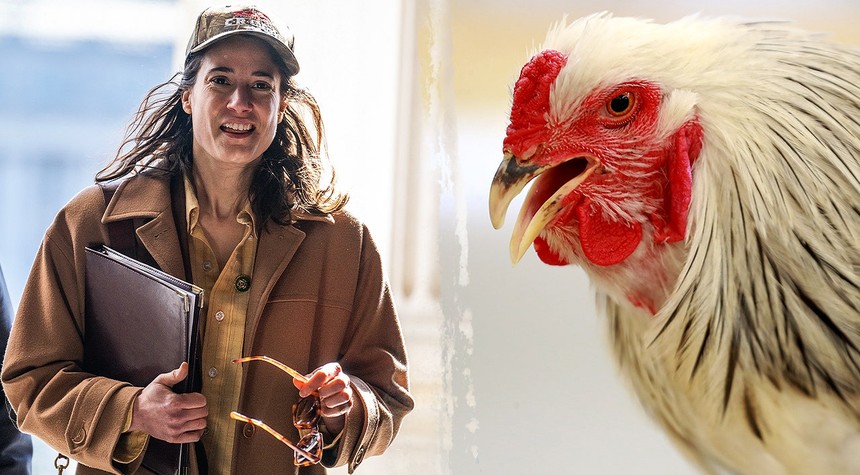
Representative Marie Gluesenkamp Perez, a Democrat from Washington state currently seeking re-election, faces uncomfortable questions about an incident from her college years that former roommates describe as deeply disturbing.
The congresswoman, now 37 years old, allegedly killed a chicken with a dull kitchen knife in a manner her former roommates characterize as unnecessarily brutal during their time together at Reed College, a small private institution in Portland.
The incident occurred while Gluesenkamp Perez and her roommates were engaged in urban farming, a practice that has gained popularity in Portland and other progressive urban centers. According to Isaac Eger, who shared living quarters with the future congresswoman at Reed, the group had been researching humane methods for dispatching the chicken when Gluesenkamp Perez allegedly grew impatient with the process.
Eger recounts that the congresswoman dismissed her roommates’ concerns about finding a humane approach, then proceeded to kill the chicken by sawing through its neck with a dull kitchen knife. The method resulted in the animal struggling for breath as the process unfolded.
“Then she held up the body as it spazzed out and blood went everywhere like some crazy Santeria voodoo ritual,” Eger stated, describing a scene that left him and other roommates horrified by the display.
Eger documented the incident in writing at the time, describing his household’s attempt at urban farming as an “epic fail.”
The allegations raise questions about judgment and temperament, particularly relevant as Gluesenkamp Perez campaigns for re-election in what is expected to be a competitive race. The congresswoman represents a vulnerable district where character issues and past behavior often become focal points during election seasons.
Urban farming has become increasingly common in progressive cities, with advocates promoting the practice as a way to connect with food sources and embrace sustainable living. However, the practice requires responsible animal husbandry, including the ability to dispatch livestock humanely when necessary.
The incident highlights a broader conversation about the romanticization of farming practices by urban dwellers who may lack the experience or knowledge to carry out such tasks properly. Traditional farmers and ranchers typically learn established methods for livestock processing that minimize animal suffering.
Representatives for Gluesenkamp Perez have not responded to requests for comment regarding the allegations from her former roommates.
As the election season progresses, voters in Washington’s third congressional district will weigh this incident alongside the congresswoman’s legislative record and policy positions. The allegations serve as a reminder that candidates’ past actions and character remain relevant considerations for the electorate, particularly when those actions raise questions about judgment and respect for living creatures.
The matter underscores the scrutiny facing vulnerable Democratic members of Congress as they navigate competitive re-election campaigns in an increasingly polarized political environment.
Related: Cotswolds Village Proposes Penalties to Preserve Historic Charm
