
The Trump administration has implemented an indefinite pause on immigration decisions for individuals from countries designated as high-risk, a policy shift that has left hundreds of prospective citizens in legal limbo just steps away from completing their naturalization.
The directive, issued by U.S. Citizenship and Immigration Services on December 2nd, came in direct response to a November shooting in which an Afghan national stands accused of killing a National Guard member and severely injuring another in Massachusetts. The suspect, Rahmanullah Lakanwal, has entered a plea of not guilty to first-degree murder charges.
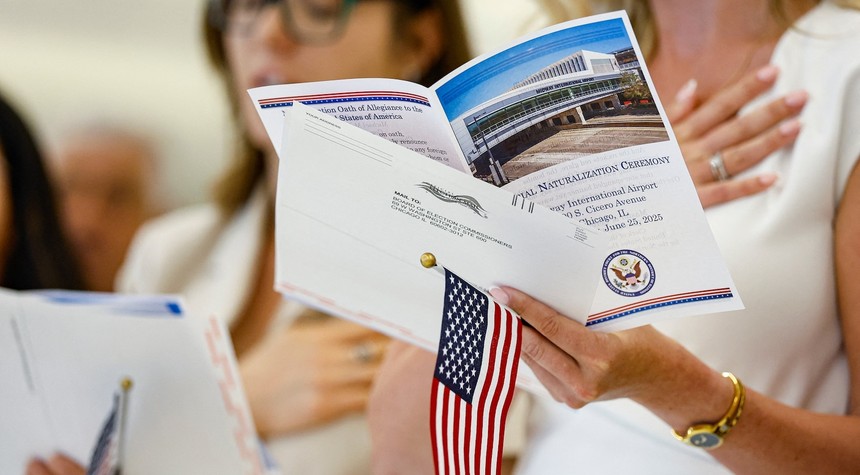
The scope of the administration’s response extends beyond asylum decisions. Naturalization ceremonies across the country have been cancelled, affecting individuals who had already completed years of vetting, interviews, and paperwork, and who had received approval for citizenship.
On December 4th, a Haitian national represented by attorney Gail Breslow arrived at Boston’s historic Faneuil Hall expecting to take her oath of citizenship. Instead, she was removed from the ceremony line and told not to enter the building. Breslow, who serves as executive director of Project Citizenship, an organization representing migrants in the naturalization process, reports that at least 21 of her clients have had their ceremonies cancelled since early December.
According to the USCIS memo, those affected by the directive may undergo what the agency describes as “a thorough re-review process, including a potential interview and, if necessary, a re-interview, to fully assess all national security and public safety threats.”
A Department of Homeland Security spokesperson defended the policy in a statement, saying, “USCIS has paused all adjudications for aliens from high-risk countries while USCIS works to ensure that all aliens from these countries are vetted and screened to the maximum degree possible. The pause will allow for a comprehensive examination of all pending benefit requests for aliens from the designated high-risk countries. The safety of the American people always comes first.”
The administration has not publicly released a complete list of which countries fall under the high-risk designation, though Haiti and Afghanistan appear to be included based on cancelled ceremonies.
Critics contend the administration is exploiting a single criminal incident to justify broader immigration restrictions. Breslow characterized the policy as discriminatory, stating that the actions do not enhance national security and appear designed to pressure individuals from specific ethnic, religious, or racial backgrounds to leave the country.
The timing of these cancellations has proven particularly difficult for those affected. These individuals had already navigated the extensive American immigration system, passed multiple security screenings, and received official approval for citizenship. They now face an uncertain wait with no clear timeline for when their cases might be reconsidered.
The administration has simultaneously expanded travel ban provisions and suspended asylum decisions as part of its response to the Massachusetts shooting, marking one of the most comprehensive immigration policy adjustments in recent months.
Related: Garmin Autoland System Successfully Completes First Real-World Emergency Landing
