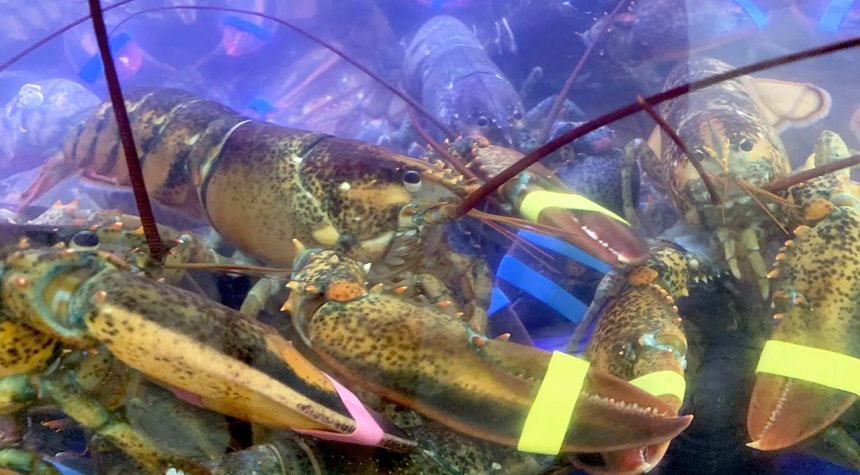
A proposal before the New York City Council has thrust municipal government into the heart of restaurant kitchens, aiming to prohibit the practice of placing live lobsters and crabs directly into boiling water. The measure, introduced by Council members Oswald Feliz and Harvey Epstein, has ignited immediate opposition from culinary professionals who contend the legislation reflects a fundamental disconnect between lawmakers and the operational realities of food service establishments.
The proposed amendment to Chapter 15 of Title 17 of the NYC Administrative Code would make it unlawful for restaurants to place live crustaceans into boiling liquid for cooking purposes. The bill’s sponsors cite research on crustacean pain sensitivity and animal welfare considerations as justification for the regulatory change. Should the measure become law, food service establishments would have 180 days to comply with the new standards, which would require alternative preparation methods or humane slaughter techniques before cooking.
The enforcement mechanism built into the proposal follows a graduated approach. Initial violations would trigger an official warning, while subsequent infractions would subject establishments to civil fines reaching up to one hundred dollars per occurrence. Council member Feliz has emphasized that the legislation would not eliminate lobster from restaurant menus or restrict consumer choice. He characterized the practice of boiling animals alive as inherently cruel while maintaining that diners would remain free to order and enjoy seafood as before.
Restaurant industry representatives have responded with skepticism and frustration. Critics argue that city officials are misdirecting their attention toward kitchen procedures while more substantial challenges facing New Yorkers and business owners remain unaddressed. The question raised by opponents centers on priorities: whether regulating specific cooking methods represents the most effective use of legislative resources when communities face pressing economic and public safety concerns.
Zach Erdem, who operates 75 Main in Southampton, has articulated a position that acknowledges animal welfare considerations while insisting on practical engagement with industry professionals. Erdem has called for city officials to include chefs and restaurant owners in policy discussions, arguing that effective regulation requires understanding the operational constraints of commercial kitchens. He has specifically requested clarity on which alternative methods would satisfy the city’s animal welfare objectives, what financial costs those methods would impose, and how small kitchen operations could implement them during peak service hours.
The broader context of this debate involves the cumulative burden that regulations place on small business operators in New York City. Erdem has pointed to the existing challenges restaurateurs confront when attempting to establish new locations in Manhattan, including substantial rent obligations, payroll expenses, food costs, and lengthy permit approval processes. Each month spent navigating bureaucratic requirements represents a month of paying commercial rent without generating revenue, a reality that shapes the perspective of business owners evaluating new regulatory mandates.
The legislative proposal arrives at a moment when municipal governments nationwide are grappling with questions about the appropriate scope of regulatory authority over business practices. The outcome of this particular measure may signal whether New York City’s approach to governance will continue expanding into increasingly granular aspects of commercial operations or whether practical considerations and industry input will temper the regulatory impulse.
Related: Presidential Turkey Pardon Returns as Two West Virginia Birds Arrive in Washington