
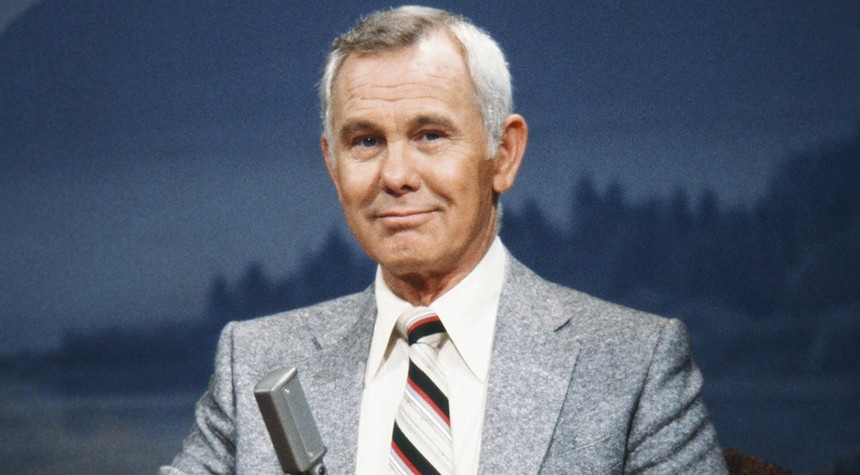
A new biographical work examining the life and career of Johnny Carson has confirmed what entertainment industry insiders have long suspected: the legendary Tonight Show host maintained a ban list of celebrities who were no longer welcome on his program.
The book, titled “Love Johnny Carson,” was authored by Carson enthusiast Mark Malkoff in collaboration with David Ritz. The work draws upon extensive interviews with individuals who worked closely with Carson during his three-decade tenure as host of NBC’s premier late-night program, which ran from 1962 to 1992.
Peter Lassally, who served as Carson’s producer for twenty-two years, provided confirmation of the ban list’s existence during interviews for the book. However, Lassally noted an important distinction: to his knowledge, no physical document of banned guests was ever maintained in writing.
This assertion stands in contrast to claims made by two prominent entertainers. Both Burt Reynolds and impressionist Rich Little have stated publicly that they personally viewed a physical copy of the ban list, which they described as containing more than thirty names.
The book identifies Jay Leno among those who found themselves excluded from Carson’s stage. According to the account provided, Leno’s banishment followed an appearance during which audience response proved notably subdued. The text specifically notes that “the audience laughs were so light” during one of his performances, leading to his removal from the show’s guest roster.
This revelation carries particular historical significance given that Leno would eventually succeed Carson as host of The Tonight Show in 1992, a transition that itself became one of the most contentious moments in television history.
Carson’s influence on American entertainment during his tenure cannot be overstated. For millions of Americans, his program served as the final appointment of each evening, and an appearance on his show could make or break a performer’s career. His approval carried such weight that a successful Tonight Show appearance often translated directly into sold-out concert venues, bestselling books, or lucrative film contracts.
The existence of a ban list, whether formal or informal, underscores the tremendous power Carson wielded within the entertainment industry. His decisions about which guests to feature, and which to exclude, had far-reaching consequences for the careers of performers across all entertainment mediums.
The book arrives at a moment when Carson’s legacy continues to be examined and reassessed by new generations of viewers discovering his work through archival footage and streaming platforms. While his contributions to American comedy and late-night television remain undisputed, this new volume adds complexity to the portrait of a man who maintained exacting standards and did not hesitate to enforce them.
Carson passed away in 2005 at the age of seventy-nine, leaving behind a body of work that continues to influence late-night television programming. The revelations contained in this new biography serve as a reminder that even beloved cultural icons operated within the same human frameworks of preference, judgment, and occasionally, exclusion.
Related: Washington Flood Mitigation Programs Stalled Despite Recent Storm Devastation
