
Minnesota Democrats secured two special election victories Tuesday evening, creating an unprecedented tie in the State House and forcing a power-sharing arrangement between the two major parties.
Democrats Shelley Buck and Meg Luger-Nikolai won their respective races in Districts 47A and 64A, bringing the chamber to an even 67-67 split between Republicans and Democrats. Luger-Nikolai captured her seat with 95 percent of the vote, while Buck ran unopposed in her district.
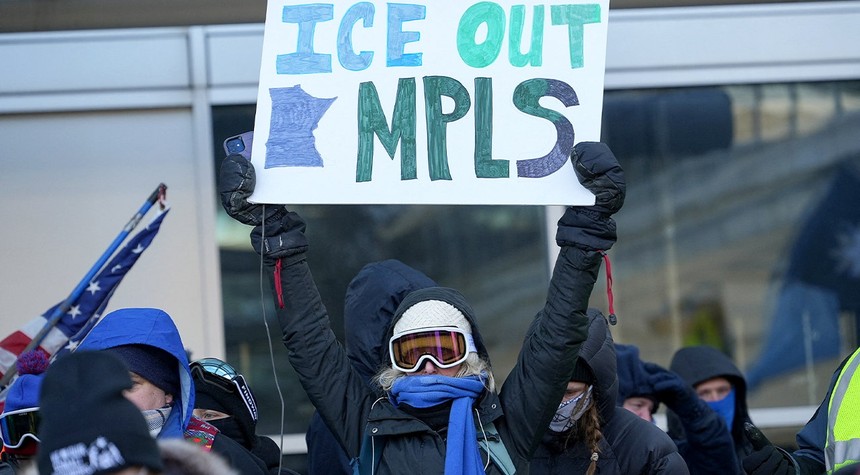
The results come as Minnesota finds itself at the center of a broader national debate over federal immigration enforcement. The Trump administration has increased its presence in the state, leading to demonstrations and what some law enforcement officials have characterized as dangerous confrontations between protesters and federal officers.
Under the power-sharing agreement now in effect, Republican Lisa DeMuth retains her position as House Speaker. However, the arrangement requires most legislative committees to operate under co-chairs from both parties, a structure that will test the ability of Minnesota lawmakers to find common ground on contentious issues.
The special elections were called to fill vacancies in the legislature. Such contests often serve as bellwethers for voter sentiment between regular election cycles, though the circumstances of these particular races make broader conclusions difficult to draw. One candidate ran without opposition, and the other secured a commanding victory in a district with established partisan leanings.
Minnesota has emerged as a focal point in the national immigration debate in recent weeks. Federal immigration enforcement operations in Minneapolis have sparked protests, with demonstrators gathering to oppose what they view as overly aggressive tactics. Retired law enforcement officials have warned that some of these protests have created dangerous situations for officers on the ground.
Annette Meeks, founder of the Freedom Foundation of Minnesota, has been among those discussing the state’s response to federal immigration operations and the broader political implications for Minnesota governance.
The power-sharing arrangement in the State House represents an unusual chapter in Minnesota politics. While coalition governments and power-sharing agreements are common in parliamentary systems around the world, they remain relatively rare in American state legislatures, where one party typically holds clear control.
The practical effects of this arrangement will become clearer in the coming weeks as legislators attempt to advance their priorities through a system that requires bipartisan cooperation at nearly every step. Committee work, which forms the foundation of the legislative process, will now require coordination between co-chairs who may have fundamentally different approaches to policy questions.
For Minnesota residents, the immediate impact may be a slower legislative process as both parties navigate this new structure. Major legislation will likely require compromise and negotiation to advance, potentially moderating the more ambitious proposals from either side.
The situation in Minnesota’s State House will be closely watched by political observers across the country as a test case for divided government at the state level.
Related: Colbert Addresses Speculation About Political Future in Interview with Seth Meyers
