
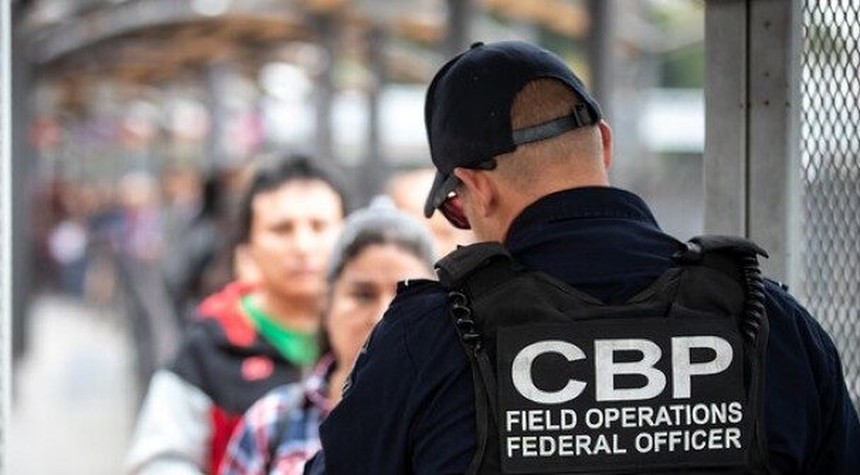
A member of Mexico’s ruling party found herself detained by United States customs authorities this week after attempting to enter California with approximately $45,000 in undeclared currency concealed in her vehicle.
Alejandra Ang Hernandez, a legislator with the MORENA party, was stopped Monday at the Mexicali-Calexico port of entry while driving a late-model white GMC Yukon. United States customs officials discovered the cash hidden in two separate locations within the vehicle during their inspection.
The facts of the case are straightforward. Federal law prohibits carrying more than $10,000 in currency across American borders without proper declaration. This regulation exists to combat money laundering and other financial crimes. After several hours of questioning, authorities released Hernandez but did not permit her to complete her crossing into California.
In a statement following her detention, Hernandez characterized the incident as an oversight, claiming she had simply forgotten to leave the money at home before attempting to cross the border. According to her account, the substantial sum represented combined life savings belonging to herself and her husband, along with proceeds from a vehicle sale. She stated the money was intended for the purchase of another vehicle.
Mexican news outlets have reported that United States officials revoked Hernandez’s tourist visa following the incident. The legislator has disputed this claim, though American authorities maintain a policy of not publicly disclosing visa revocations for privacy reasons. The only confirmed cases of revoked visas involve Mexican officials who have acknowledged the actions themselves.
This incident represents part of a broader pattern that has emerged since the current administration took office. Multiple Mexican politicians have reportedly had their visas revoked, with the majority belonging to the MORENA party, which currently governs Mexico. The affected officials include governors, mayors, and legislators, many of whom face allegations of corruption or connections to organized crime.
The absence of official announcements from the United States government regarding these visa revocations has created uncertainty in Mexico about the full scope of affected politicians. This information vacuum has generated considerable speculation within Mexican political circles about which public officials remain welcome to enter the United States.
The significance of this case extends beyond one politician’s attempt to transport undeclared currency. It highlights ongoing concerns about corruption within Mexican government ranks and the willingness of American authorities to enforce financial regulations at the border, regardless of an individual’s political status.
What remains clear is that United States customs officials continue to apply the law uniformly at ports of entry. Whether carrying $45,000 represents an innocent oversight or something more deliberate, the legal requirement to declare such sums exists for substantial reasons related to national security and financial integrity.
The matter now rests with Hernandez to resolve her situation with American authorities. Her ability to travel to the United States in the future may well depend on how this case concludes and whether her explanations satisfy officials on this side of the border.
Related: Trump Administration Expands Visa Bond Requirements to 38 Countries
