

A cluster of Legionnaires’ disease has emerged in New York City, claiming one life and affecting at least 22 others since last Friday. The New York City Health Department has provided an update on its ongoing investigation into this outbreak.
The cluster is centered in the Harlem neighborhood and surrounding communities. Health officials are urging vigilance, particularly among those at higher risk. This includes individuals over 50, smokers, and those with chronic lung conditions or compromised immune systems.
Legionnaires’ disease is a form of pneumonia caused by Legionella bacteria, which thrive in warm water environments. Transmission occurs through the inhalation of water vapor containing these bacteria. It’s important to note that person-to-person transmission does not occur.
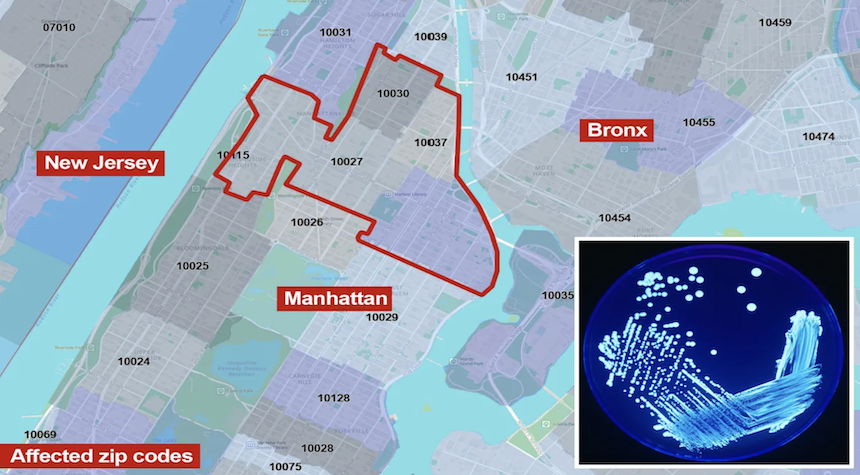
To understand this fully, we should note that Legionnaires’ disease can be effectively treated with antibiotics if diagnosed early. The Health Department emphasizes that early medical attention is crucial for those experiencing flu-like symptoms, fever, cough, or breathing difficulties.
This outbreak raises important questions about urban infrastructure. Legionella can proliferate in various water systems, including cooling towers, whirlpool spas, and large air-conditioning units. The Health Department reports that all operational cooling towers in the affected area have been sampled, with remediation efforts underway where necessary.
Legionnaires’ disease takes its name from a 1976 outbreak at an American Legion convention in Philadelphia. Since then, our understanding of the disease and its prevention has advanced, yet outbreaks continue to occur in urban environments.
As this situation develops, health officials continue their investigation into the cause of this cluster. The public’s right to information remains paramount, and we will report any new information as facts emerge.
