
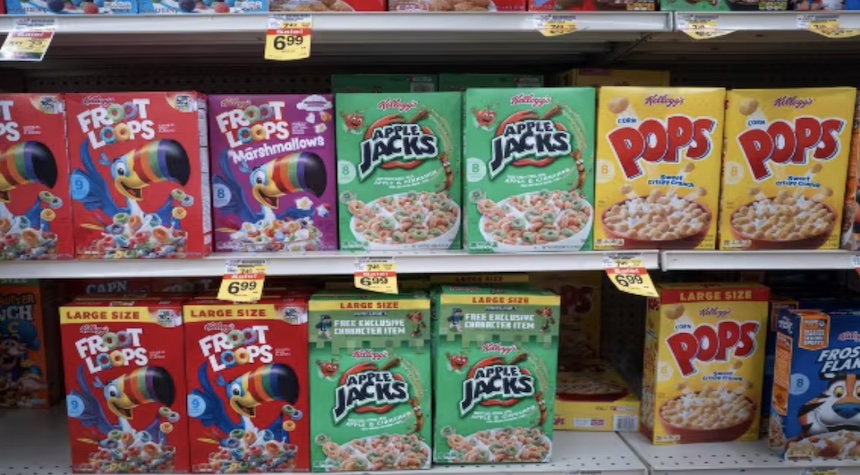
The WK Kellogg Co., a notable figure in the breakfast foods industry, has committed to ceasing the use of artificial dyes in its cereal products by the end of the year 2027, according to reliable sources.
The company, known for producing familiar cereals such as Froot Loops, Apple Jacks, Frosted Flakes, and Rice Krispies, among others, stated that this step is part of a larger effort to evolve its portfolio, focusing on ingredients desired by consumers like whole grains and fiber, and reducing unwanted elements.
Currently, 85 percent of Kellogg’s cereal sales are constituted by products without FD&C colors, and none of their offerings have contained Red No. 3 for several years. The company expressed its commitment to work with the Department of Health and Human Services (HHS) and the Food and Drug Administration (FDA) to find effective alternatives to these artificial colors.
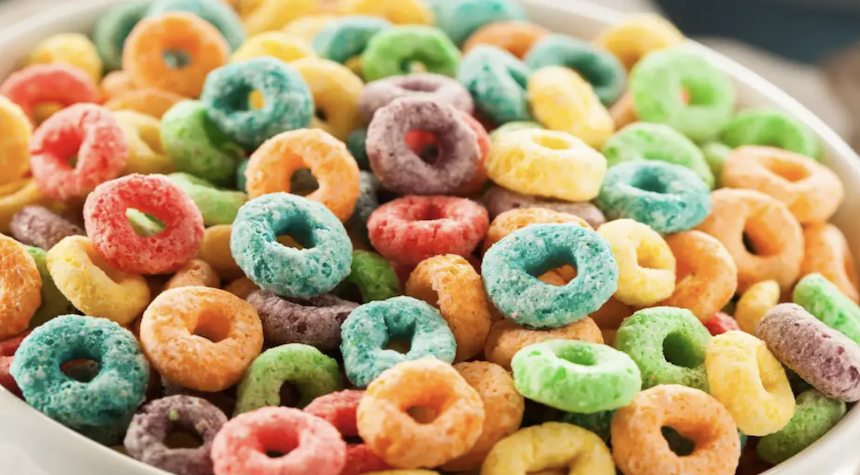
Kellogg pledged that by the 2026-27 school year, its cereals served in schools will not contain FD&C colors. Furthermore, the company will not introduce any new products with these color additives starting in January 2026 and intends to eliminate all FD&C colors from its products by the end of 2027.
This decision comes at a time when Health and Human Services Secretary Robert F. Kennedy Jr. is advocating for stricter regulations on synthetic food additives as part of his initiative to “Make America Healthy Again”. This includes proposals to replace artificial food dyes with natural alternatives.
This development follows earlier reports that Kraft Heinz and General Mills, along with other major food manufacturers like PepsiCo, ConAgra, The Hershey Company, McCormick & Co., J.M. Smucker, and Nestlé USA, have announced similar intentions to remove artificial food dyes from some of their products within the next couple of years.
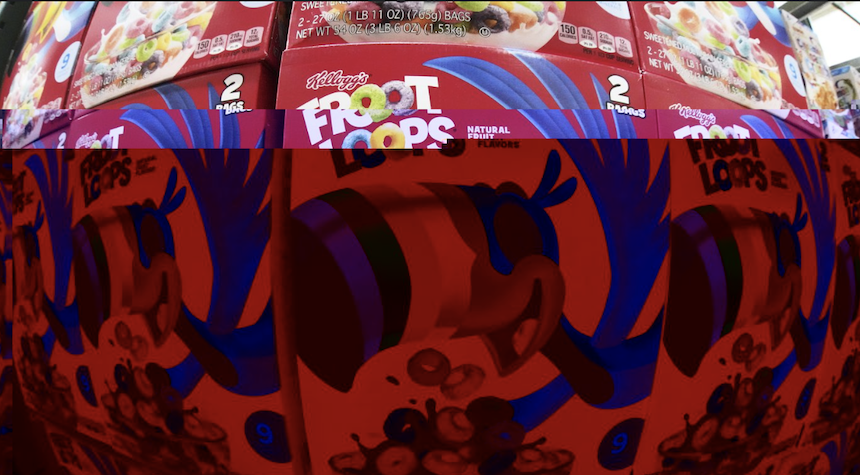
As of May, the U.S. Food and Drug Administration approved three additional color additives from natural sources that align with the Department of Health and Human Services’ goals. These can be used in a wide range of products, from gum to breakfast cereals.
In conclusion, the trend towards eliminating artificial dyes is gaining momentum within the food industry. The public’s right to information is paramount, and such transparency from large companies like Kellogg has a significant impact on the industry as a whole.
