
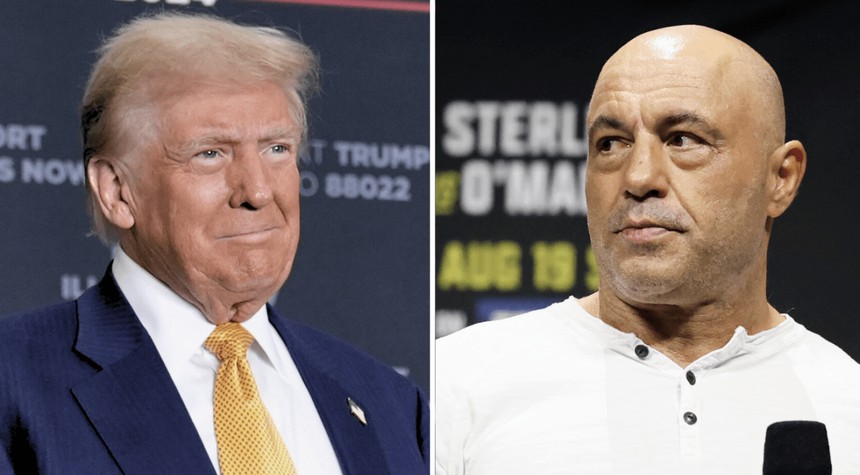
Podcast host Joe Rogan has raised substantive concerns about the institutional integrity of the White House following President Trump’s installation of a controversial plaque describing former President Biden’s tenure in office.
Speaking with comedian Shane Gillis on an episode of “The Joe Rogan Experience” released on Christmas Day, Rogan expressed alarm at what he characterized as a departure from presidential norms. The plaque in question, part of a “Presidential Walk of Fame” recently added to the White House grounds, describes Biden using the nickname “Sleepy Joe Biden,” a moniker frequently employed by Trump during both the 2020 and 2024 campaigns.
“This is so crazy,” Rogan stated during the conversation. “You shouldn’t be allowed to do this.”
The podcast host argued that such historical descriptions should fall under the purview of historians rather than sitting presidents, particularly when those presidents are characterizing their immediate predecessors. The plaque reportedly refers to Biden as being nicknamed both “Sleepy” and “Crooked,” prompting Rogan to question the appropriateness of a president assigning such characterizations in an official White House display.
“Like the whole public got together and said, ‘I’ve got a name for this guy!'” Rogan remarked, highlighting what he viewed as the problematic nature of presenting partisan nicknames as though they were organically derived public consensus.
The broader concern, as Rogan articulated it, extends beyond this particular plaque to the precedent it establishes for future administrations. “Someone needs to tell him this is not good,” Rogan said. “You can’t do that, because other people could do that too, and then the White House stops being the White House.”
His warning centered on the potential transformation of America’s most iconic residence from a symbol of institutional continuity into what he described as “whoever is in its house, where he could just go crazy and say everybody else is a crook.”
Gillis noted during the exchange that such actions were “not beating back the dictator charges,” referring to criticisms leveled against Trump by political opponents. However, he suggested that future presidents would be unlikely to follow suit with similar displays.
The controversy raises questions about the balance between presidential prerogative and institutional preservation. While presidents have traditionally enjoyed considerable latitude in how they present the White House to visitors and the public, the use of official displays to characterize predecessors in overtly partisan terms represents relatively uncharted territory.
The White House has not issued a formal response to Rogan’s criticisms, and it remains unclear whether the administration will address concerns about the plaques’ content or their potential impact on presidential precedent.
What is clear is that this episode has sparked a broader conversation about the boundaries of presidential expression and the preservation of institutional dignity, regardless of political affiliation or personal animosity between successive occupants of the nation’s highest office.
Related: California Infant Survives Extraordinarily Rare Abdominal Pregnancy
