
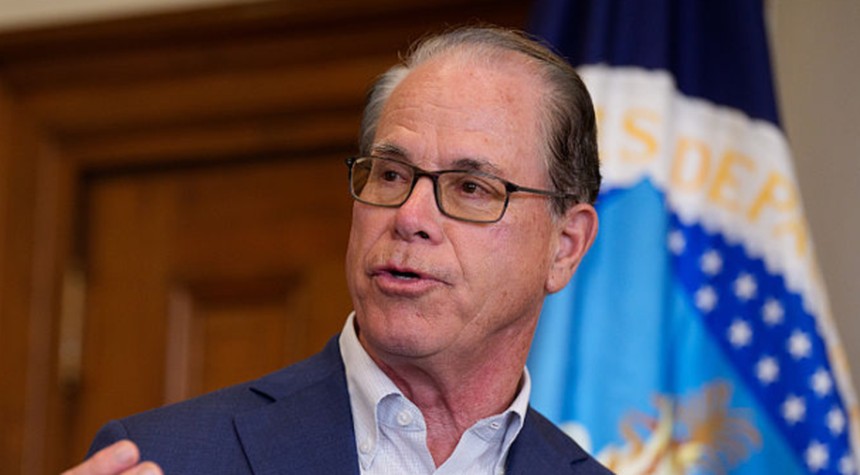
A comprehensive poll of Indiana voters reveals significant dissatisfaction with the state’s current trajectory, presenting challenging political headwinds for Republican leadership in Indianapolis.
The statewide survey, conducted by Public Opinion Strategies between December 4th and 7th, found that 52 percent of Hoosiers believe Indiana is headed in the wrong direction. Only 36 percent expressed confidence in the state’s current path, a troubling margin for any governing party.
Governor Mike Braun’s approval ratings reflect this broader discontent. The Republican governor faces a net negative rating, with 43 percent of voters disapproving of his job performance compared to just 36 percent who approve. The numbers prove particularly stark among independent voters, where only 21 percent express approval of the governor’s work.
The poll identified healthcare access as the paramount concern driving voter anxiety. A proposed $1 billion reduction to Indiana’s Medicaid program has generated overwhelming opposition across the political spectrum. Roughly seven in ten Hoosiers oppose these cuts, with majorities in both parties expressing concern.
The depth of healthcare-related worries is substantial. Eighty-six percent of respondents fear rural residents will lose access to healthcare services, while 87 percent worry specifically about rural women losing access to obstetric and gynecological care. Ninety percent express concern about emergency room overcrowding, and 89 percent fear local hospitals will be forced to eliminate critical services. Among those concerned, 41 percent describe themselves as “very” concerned.
These findings suggest a clear mandate from voters. Seventy-three percent of Hoosiers believe state government should increase its efforts to protect local community hospitals. Additionally, 53 percent support increasing government funding for public health initiatives, indicating voter appetite for expanded rather than reduced healthcare spending.
The survey also examined public sentiment regarding Indiana’s education system, revealing lukewarm assessments. Only one quarter of respondents rated the public school system as excellent or good. Forty-two percent characterized it as average, while 27 percent deemed it poor.
When asked to identify priorities for improvement, 24 percent of voters selected strengthening college and career readiness as the top issue facing public schools, representing a plurality of opinion on education policy.
These polling results present a significant challenge for Republican leadership in a state that has reliably supported conservative candidates in recent election cycles. The convergence of negative assessments regarding state direction, gubernatorial performance, and proposed policy changes suggests potential vulnerability in upcoming electoral contests.
The bipartisan opposition to Medicaid cuts particularly merits attention from policymakers. When majorities across party lines unite against a proposed policy change, elected officials typically face considerable pressure to reconsider their approach or risk electoral consequences.
As Indiana’s legislative session progresses, these polling numbers will likely factor prominently in debates over budget priorities and healthcare funding. The question remains whether state leadership will adjust course in response to clear voter sentiment or proceed with planned reductions despite public opposition.
Related: Massachusetts Community Shaken After Fatal Shooting of Prominent MIT Researcher
