
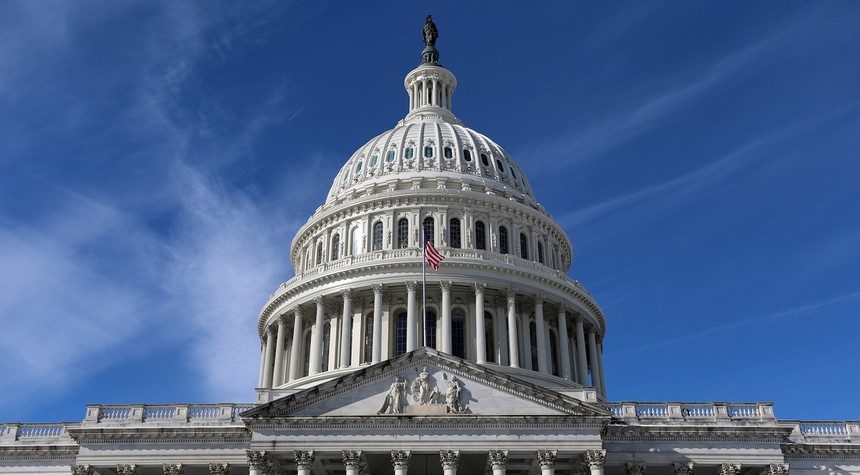
The United States House of Representatives will convene Tuesday to vote on legislation aimed at ending the partial government shutdown that began over the weekend, with Speaker Mike Johnson navigating what may prove to be one of the narrowest margins of his tenure.
The arithmetic facing the Speaker is stark and unforgiving. With all members present and voting, Johnson can afford to lose only one Republican vote on the funding package. Before the House can even debate the measure on its merits, a procedural vote must first succeed, adding another layer of uncertainty to an already precarious situation.
Despite these constraints, Johnson projected confidence during his weekly news conference Tuesday morning. “This may be hard for some of you to believe, but I never doubted this,” the Speaker told assembled reporters.
The legislation in question represents a compromise forged between Senate Democrats and the White House in the final hours before the shutdown commenced. The agreement divides the appropriations into separate components: a standalone Department of Homeland Security funding bill and five additional measures covering other federal agencies for the remainder of the fiscal year.
The DHS funding portion extends operations for two weeks while negotiations continue over Democratic demands for new restrictions on Immigration and Customs Enforcement operations. These proposed limitations include mandatory body cameras for agents during enforcement activities and prohibitions on wearing masks during such operations.
This funding dispute intensified following the death of Alex Pretti, an intensive care unit nurse killed in a shooting involving federal law enforcement in Minneapolis on January 24. The incident has become a focal point in the broader debate over immigration enforcement protocols.
The path forward remains complicated by opposition from multiple quarters. House Minority Leader Hakeem Jeffries informed Johnson over the weekend that Democrats would not assist Republicans in expediting the funding package through procedural shortcuts.
Simultaneously, conservative members of the Republican conference have threatened to obstruct the legislation unless it includes provisions from the SAVE Act, an unrelated measure requiring proof of citizenship for federal elections. However, some members of this faction, including Representatives Anna Paulina Luna and Tim Burchett, appear to be reconsidering their positions.
President Donald Trump entered the discussion Monday, stating he has engaged with congressional leaders from both parties. The President expressed confidence that a resolution would emerge in short order.
The situation underscores the delicate balance required in a closely divided House, where even modest defections can derail legislative priorities. As federal employees face uncertainty and government services remain curtailed, the coming hours will test both Johnson’s leadership and the willingness of members to set aside competing demands in favor of restoring full government operations.
The American people, as always, wait to see whether their elected representatives can navigate these political crosscurrents and fulfill the basic responsibility of keeping their government functioning.
Related: Sixth Circuit Throws Out Justice Department Complaint Against Judge Boasberg Over Conference Remarks
