
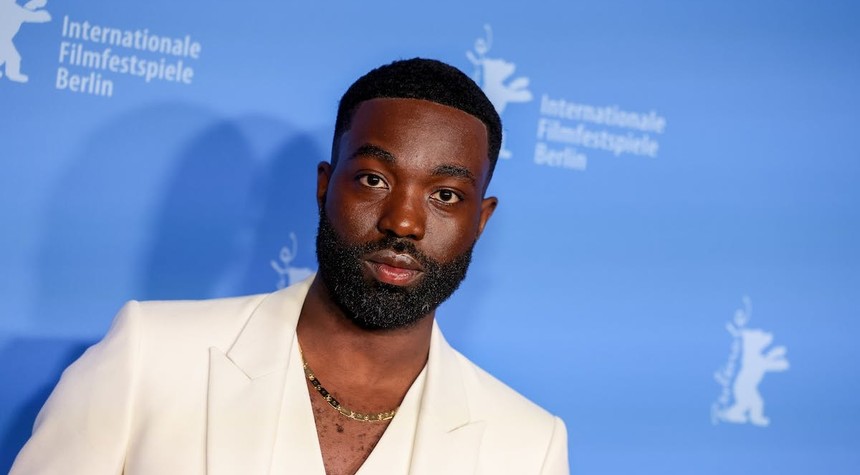
Saturday Night Live addressed the ongoing controversy surrounding HBO’s upcoming Harry Potter television series during its Weekend Update segment this past weekend, focusing attention on the casting of British actor Paapa Essiedu in the role of Severus Snape.
The casting has generated substantial debate among fans of the beloved book series, as author J.K. Rowling originally described the character as having pale, yellow skin. Essiedu, who is black, represents a significant departure from both the source material and the character’s previous portrayal by the late Alan Rickman in the film adaptations.
During the comedy sketch, cast member Kam Patterson portrayed a reimagined version of the character and engaged in an exchange with host Colin Jost that touched on themes of racial perception and assumptions. The performance included commentary on how the character of Harry Potter might be viewed through a contemporary racial lens, with Patterson’s Snape suggesting that the young wizard’s suspicions of his professor could be interpreted as racially motivated.
The sketch progressed to address broader questions about representation in the wizarding world, including references to other characters and their names. Patterson’s performance also included a pointed reference to Rowling herself being “problematic,” likely alluding to the author’s controversial statements regarding biological sex and transgender issues in recent years.
Beyond the comedy sketch, the real-world implications of this casting decision have proven far more serious. Essiedu recently disclosed to a British publication that he has received death threats since his casting was announced. The actor reported encountering messages on social media platforms threatening violence, including explicit threats against his life.
Despite these disturbing developments, Essiedu has maintained his commitment to the role. He expressed that while the abuse affects him emotionally, it also strengthens his resolve to portray the character authentically. The actor emphasized the importance of representation, noting that young viewers who share his background will now be able to see themselves reflected in the Harry Potter universe.
The controversy surrounding this casting decision represents a broader cultural debate about adaptation, representation, and fidelity to source material. For many longtime fans of Rowling’s work, changes to established characters represent an unwelcome departure from the books that defined their childhoods. Others argue that new interpretations of classic stories can expand their reach and relevance to contemporary audiences.
What remains clear is that the discussion surrounding HBO’s Harry Potter series has extended far beyond typical pre-production publicity. The combination of casting controversies, threats against actors, and high-profile satirical commentary suggests that this adaptation will face intense scrutiny well before its first episode airs.
The situation also raises questions about the limits of artistic reinterpretation and the responsibilities of both creators and audiences in navigating these cultural conversations. As production continues, the entertainment industry will be watching closely to see how these tensions resolve and what precedents may be set for future adaptations of beloved literary works.
Related: Three-Year-Old Allegedly Abused in Federal Custody After Border Separation
