
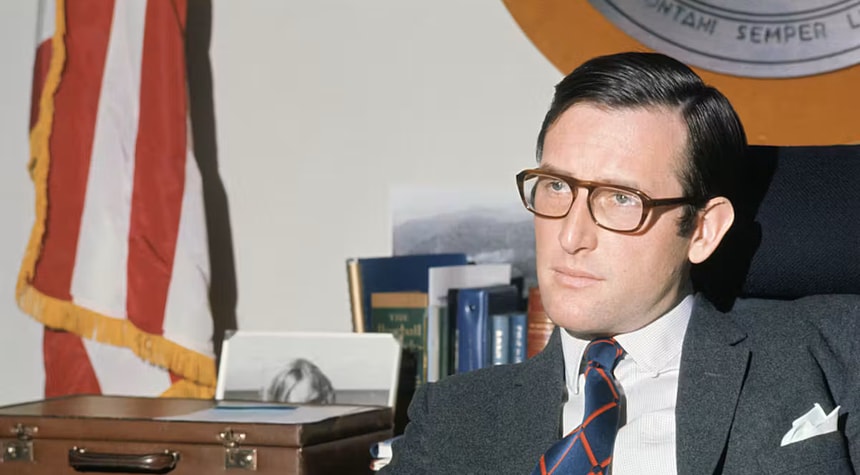
Former West Virginia Senator John D. "Jay" Rockefeller died Friday at his Washington, D.C., residence at the age of 89. The cause of death has not been disclosed.
Rockefeller represented West Virginia in the United States Senate for three decades, serving five terms from 1985 until his retirement in 2015. He was a Democrat who built his political career on advocacy for expanded government health care programs and social welfare policies, while later opposing military interventions he came to view as mistakes.
Born on June 18, 1937, just weeks after the death of his legendary great-grandfather, Rockefeller carried one of the most recognizable names in American history. His great-grandfather, John D. Rockefeller, founded the Standard Oil Company and became one of the wealthiest individuals in the world during the early twentieth century. His father, John D. Rockefeller III, distinguished himself through extensive philanthropic work. His uncle, Nelson Rockefeller, served as governor of New York before becoming vice president of the United States.
Despite this privileged background, Rockefeller chose to make his political home in West Virginia, one of the nation’s poorest states. He began his political career as the state’s secretary of state before winning two terms as governor. He then moved to the Senate in 1984, where he would remain for the next thirty years.
During the 1990s, Rockefeller emerged as one of the most vocal supporters of President Bill Clinton’s ambitious but ultimately unsuccessful attempt to establish near-universal health care coverage. Nearly two decades later, he supported President Barack Obama’s Affordable Care Act, though he publicly stated his belief that the legislation did not go far enough. Rockefeller advocated unsuccessfully for making the government program available to all Americans, regardless of income or employment status.
On matters of war and peace, Rockefeller’s record proved more complicated. In 2002, he voted to authorize President George W. Bush to wage war against Iraq, a decision that led to the invasion the following year. Rockefeller later expressed regret over that vote, asserting that the Bush administration had taken the nation to war on what he termed "false premises." In 2008, as chairman of the Senate Intelligence Committee, he led an investigation that concluded the administration had overstated prewar intelligence assessments.
Throughout his Senate career, Rockefeller sponsored legislation aimed at expanding medical research for treating service-related illnesses among military personnel. He worked to broaden eligibility requirements for the earned income tax credit and the Children’s Health Insurance Program. He held chairmanships of several influential committees, including Commerce, Science and Transportation, Veterans’ Affairs, and Intelligence.
When he announced his retirement in 2013 at age 75, Rockefeller reflected on his decades of public service. "Championing those most in need has been my life’s calling, and I will never stop fighting to make a difference for the people who mean so much to me," he stated at the time.
Rockefeller married Sharon Percy Rockefeller in 1967. They had four children together. She survives him, along with their children and the legacy of a family name that has shaped American industry, philanthropy, and politics for more than a century.
And that is the way it is.
Related: Democrat Wins Iowa House Seat Despite Withdrawing From Race Over Health Concerns