
A Florida woman who treated more than 4,400 patients while fraudulently posing as a licensed nurse has been sentenced to probation, avoiding incarceration in a case that raises serious questions about oversight in the healthcare system.
Autumn Bardisa, 29, of Palm Coast, entered a no contest plea on Tuesday to charges of unlicensed practice of healthcare and fraudulent use of identification. Circuit Judge Dawn Nichols withheld adjudication and sentenced Bardisa to five years of probation and 50 hours of community service under the terms of a plea agreement.
The Flagler County Sheriff’s Office, which investigated the case, announced the sentencing on Wednesday. Authorities had previously characterized the case as deeply disturbing given the scope of Bardisa’s deception and the number of patients who received care from someone without proper medical credentials or training.
According to investigators, Bardisa used another nurse’s license number to gain employment and provide medical care to thousands of patients. The terms of her sentence require her to write a formal letter of apology to the licensed nurse whose credentials she fraudulently used.
In what may be the most significant aspect of the plea agreement, Bardisa has forfeited a nursing license she obtained after her initial arrest to the Florida Department of Health. She is also prohibited from working in any capacity within the medical field for the duration of her five-year probationary period.
The case originally involved more serious charges. Bardisa faced seven counts of unlicensed practice of health care and seven counts of fraudulent use of personal identification information before reaching the plea agreement with prosecutors.
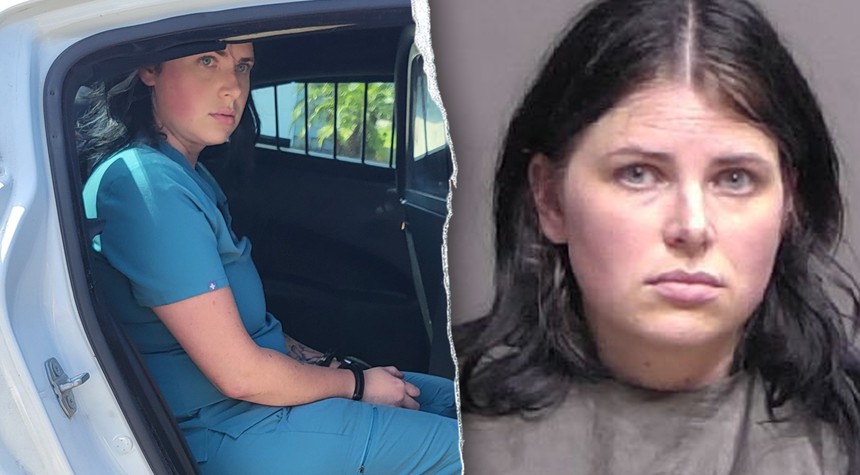
Body camera footage released by the Flagler County Sheriff’s Office shows deputies arriving at Bardisa’s Palm Coast residence to confront the suspect, who was dressed in medical scrubs at the time of her arrest.
The lenient sentence has not been without controversy. Critics have questioned whether probation represents adequate accountability for someone who provided medical care to thousands of patients without proper training or licensure. The potential risks to patient safety in such cases cannot be understated, as unlicensed practitioners lack the education, clinical training, and oversight that protect patients from harm.
The case highlights ongoing concerns about credential verification in healthcare settings and the systems designed to prevent such fraud. How Bardisa managed to treat more than 4,400 patients before being discovered remains a troubling question for healthcare administrators and regulatory authorities alike.
As healthcare fraud continues to plague the medical system, this case serves as a reminder of the importance of robust verification procedures and the serious consequences when those safeguards fail to protect the public.
Related: Pastor and Spouse Charged With Abusing Minors in Their Foster Care
