
When winter temperatures descend upon South Florida, an unusual phenomenon occurs. Green iguanas, an invasive species that has proliferated throughout the region, become immobilized by the cold and fall from trees where they typically roost. While this natural occurrence has long been observed by residents, one young Floridian has demonstrated a novel approach to managing the invasive population.
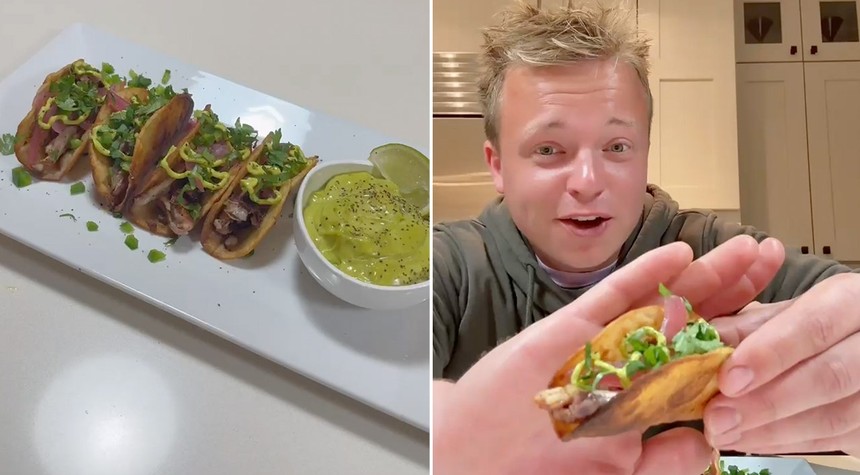
Gray Davis, a 23-year-old Fort Lauderdale resident, recently documented his preparation of iguana meat into tacos using a reptile he collected during the recent cold weather. His video has garnered significant attention, accumulating more than 20 million views.
The practice, while unconventional to many Americans, addresses a genuine environmental concern. Green iguanas, native to Central and South America, have established substantial populations in Florida where they damage infrastructure, consume native vegetation, and compete with indigenous species for resources.
“Whenever we have these cold fronts, and the iguanas start falling down, a lot of people will go out and collect them to help control the number in the population,” Davis explained. He noted that the reptiles have earned the nickname “chicken of the trees” due to their reportedly palatable meat.
Davis’s preparation method was thorough and utilized nearly every part of the animal. He cooked the iguana meat in a cast-iron pot with onions, garlic, salt, and bay leaves, allowing it to simmer for approximately 30 minutes. Upon processing the animal, he discovered more than 20 eggs inside the female iguana.
“By removing this one iguana from the outdoors, we have actually saved the environment from over 20 iguanas come spring,” Davis stated, highlighting the reproductive capacity of the species and the potential impact of individual removal efforts.
In keeping with his stated commitment to minimizing waste, Davis utilized the eggs to create a sauce for the tacos. He soft-boiled the eggs and blended them with avocado, garlic, olive oil, salt, and lime juice, producing a green sauce that he garnished with black pepper and additional lime.
The final preparation involved removing the cooked meat from the bones, adding seasonings, and crisping it in a frying pan before serving it in tacos with the egg-based sauce.
Wildlife experts have previously noted that consuming invasive species can serve as one tool in managing their populations, though it is rarely sufficient as a standalone solution. The green iguana population in Florida has grown substantially over recent decades, with the reptiles thriving in the state’s warm climate and abundant vegetation.
The cold-stunning phenomenon that makes collection possible occurs when temperatures drop below approximately 50 degrees Fahrenheit. The iguanas, being cold-blooded reptiles, lose their ability to move and maintain their grip on branches. They are not dead during this state, but rather immobilized, and will typically recover once temperatures rise.
Davis’s video has sparked considerable discussion about alternative methods of invasive species control and the potential for utilizing these animals as a food source rather than simply disposing of them as waste.
Related: Four Dead in Indiana Highway Crash Involving Driver Who Used Biden-Era Border Program
