
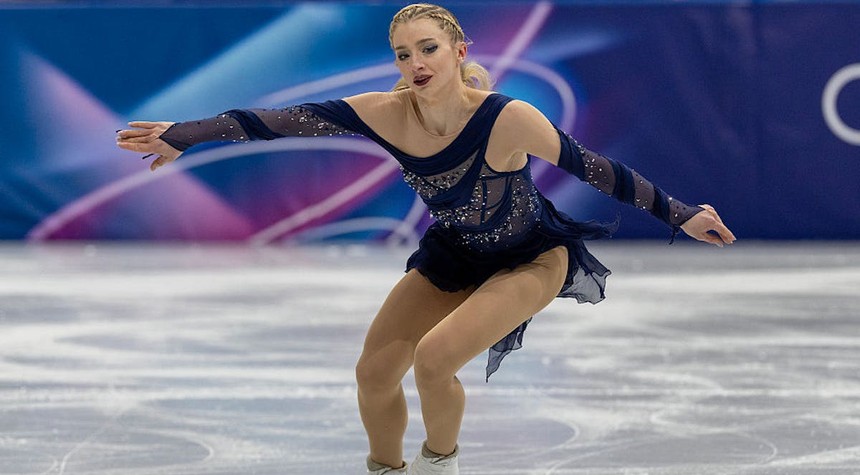
Olympic figure skater Amber Glenn has found herself at the center of a growing controversy following comments made during pre-Olympic press appearances and subsequent social media posts defending her activism.
Glenn, a 26-year-old athlete from Texas competing in her first Olympic Games, helped secure a gold medal for Team USA in the team event on Sunday. However, her performance in the free skate portion, where she placed third, nearly cost the American team its victory. The narrow margin of success has intensified scrutiny of her conduct both on and off the ice.
The controversy stems from remarks Glenn made at a press conference prior to the Games, during which she stated that the queer community faces a difficult time under the Trump administration and must “fight for human rights.” These comments drew immediate criticism from Americans who questioned whether an athlete representing the United States at an international competition should use the platform to criticize the current administration.
Rather than stepping back from the controversy, Glenn doubled down on her position through a social media post this week. Sharing photographs with fellow American skater Alysa Liu, Glenn wrote that critics “hate to see two woke b*tches winning,” a reference to the team gold medal. She further elaborated that if “woke” means using one’s platform to advocate for marginalized communities, then she accepts the label.
The incident raises familiar questions about the appropriate role of political activism in international athletic competition. American Olympic athletes have long grappled with the balance between personal expression and their responsibilities as representatives of the nation. While some argue that athletes have every right to speak their minds on issues of personal importance, others contend that the Olympic stage demands a focus on athletic excellence and national unity rather than partisan political commentary.
Glenn’s critics argue that publicly criticizing the sitting president while competing under the American flag demonstrates poor judgment and a lack of appreciation for the honor of Olympic representation. Supporters counter that speaking out on behalf of communities one believes to be vulnerable represents the highest form of patriotism and that silencing athletes would contradict American values of free expression.
The timing of Glenn’s activism has proven particularly contentious. With Team USA’s gold medal hanging by a thread after her third-place finish in the free skate, some observers question whether her focus on political messaging may have distracted from the athletic preparation necessary for peak performance at the Olympic level.
As the Games continue, Glenn’s case serves as yet another example of how modern athletes increasingly view their platforms as vehicles for social and political advocacy, regardless of the potential consequences to their public image or team dynamics. Whether this approach ultimately helps or hinders their stated causes remains a matter of considerable debate among the American public.
The question facing Team USA now is whether such controversies will prove to be distractions as competition intensifies in the coming days.
Related: Chinese Marriage Fraud Ring Targeted U.S. Military Members in Florida
