
Attorneys representing Venezuelan nationals who spent four months in one of El Salvador’s most notorious prisons appeared in federal court Monday, arguing their clients’ constitutional rights require either immediate return to the United States or remote participation in legal proceedings concerning their cases.
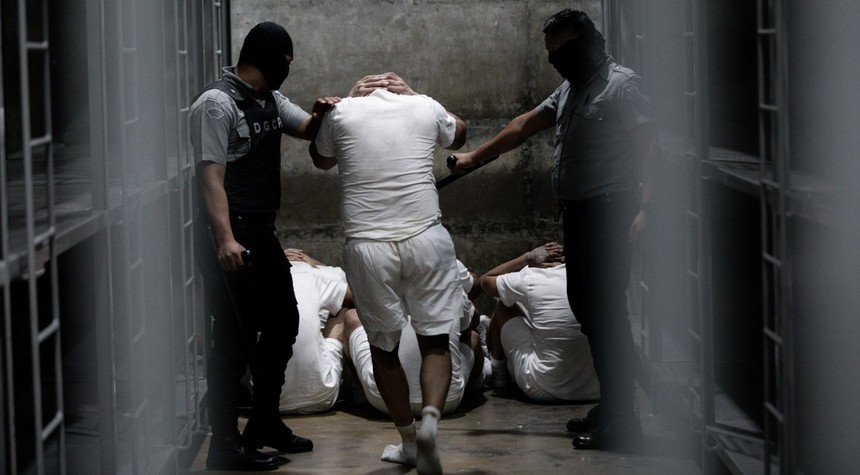
The 137 Venezuelan men at the center of this legal dispute were detained by federal immigration authorities last year and subsequently transferred to El Salvador’s Terrorism Confinement Center, known by its Spanish acronym CECOT. The facility has gained international attention for its severe conditions and treatment of inmates. The men remained there for four months before being returned to Venezuela in July as part of a bilateral prisoner exchange agreement.
According to statements from the detained individuals, they endured both physical and psychological abuse during their confinement at CECOT. These allegations have become central to the legal challenge now unfolding in federal court.
In December, U.S. District Judge James Boasberg issued a significant ruling that found the Trump administration had violated the men’s due process rights by sending them to the Salvadoran facility. The administration had invoked the Alien Enemies Act as legal justification for the transfer, a rarely used wartime statute that grants the executive branch broad powers regarding foreign nationals from hostile nations.
Judge Boasberg’s decision determined that despite the invocation of this act, the Venezuelan nationals were entitled to due process protections under the Constitution. His order directed the federal government to take corrective action by either facilitating the men’s return to American soil or providing alternative means for them to participate in legal proceedings regarding their immigration status.
The Monday hearing addressed how to implement that judicial directive. Defense counsel argued that meaningful due process cannot occur with their clients thousands of miles away in Venezuela, particularly given the circumstances under which they were removed from American jurisdiction. The lawyers contended that either physical return to the United States for court appearances or the establishment of remote hearing capabilities represents the only constitutionally acceptable paths forward.
This case raises fundamental questions about the scope of executive authority in immigration enforcement and the extent to which foreign nationals, even those deemed potential security threats, retain constitutional protections. The Alien Enemies Act, dating to 1798, has been invoked sparingly throughout American history, most notably during World War II for the internment of Japanese, German, and Italian nationals.
The outcome of these proceedings could establish important precedent regarding the government’s ability to transfer immigration detainees to foreign facilities and the procedural safeguards that must accompany such actions. It also highlights the complex diplomatic and legal challenges that arise when immigration enforcement intersects with international agreements and foreign detention facilities.
The court has not yet ruled on the specific remedy requested by the defense attorneys. The case continues to develop as both sides present arguments about the practical and legal implications of various solutions to address the due process violations the court has already identified.
Related: Paxton Opens Seven Point Lead Over Cornyn in Texas GOP Senate Primary
